
Your Affordable Office Furniture in Lafayette, Indiana
We provide a wide range of affordable office furniture to suit any workspace. Whether you're seeking modern office furniture or prefer a more traditional look, our office furniture company in Lafayette, Indiana, offers something for everyone. For those on a budget, we offer discount office furniture near me in Lafayette, including stylish and functional office desk furniture.
Contact Us
Contact Us
INDOFF OFFICE INTERIORS IS THE BEST TEAMMATE YOU HAVE EVER HAD!
Our office furniture warehouse is fully stocked with high-quality, budget-friendly options to meet your needs. As one of the top office furniture stores in the area, we deliver complete office furniture solutions to help you create the ideal work environment.
DESKS, CHAIRS, SUPPLIES, AND MORE FROM lafayette to Brownsburg and all areas in between
Indoff Office Interiors has the area's most experience in equipping offices with all of the things they need to keep making it happen. Office Furniture, Office Supplies, and Office Consumables are all a part of our toolbox to be your number one source when a need hits.
OFFICE FURNITURE, OFFICE SUPPLIES, OFFICE SEATING, AND ANYTHING ELSE YOU CAN THINK OF.
Serving Tippecanoe county , Hendricks County, and all areas in between.
All estimates are free and flexible according to materials and scheduling.
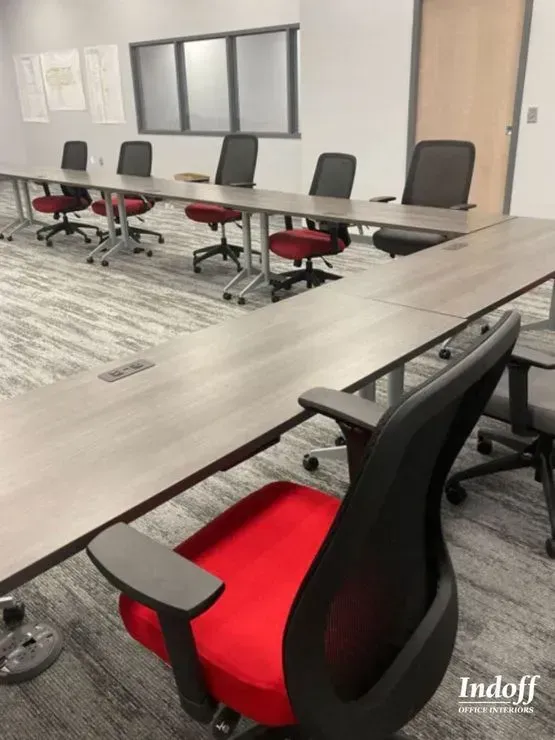
See what our customers are saying:
"It is rare these days to find an individual who consistently delights in the customer experience. When we have called Lori to fill a need she has delivered a result completely to our satisfaction. The rare occasion where something needed changing, often because of our preference, she has been responsive to timely corrections.
Her ability to walk in, see a space, draw, and design it with ideas on the spot is nothing short of phenomenal. Her pricing and service equal cannot be found in this area.
I have worked and dealt with people in a wide variety of geographies, and Lori stands out in the crowd. Add the wonderfully sweet personality, kind heart, and warm smile she always has, and I can tell you Lori is a gem rarely found. Ask her sometime to tell you just one story of personal sacrifice, and you will quickly see the type of genuine, caring, and hard-working person she is."
- Mike Jenkins, Wintek
We Offer Seating, Design, Supplies & More
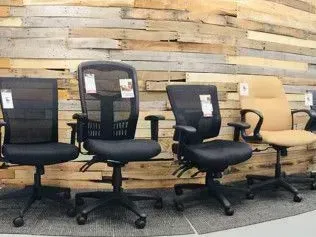
OFFICE SEATING
Indoff Office Interiors offer the best office seating from the world's best brands. Contact Lori today to get fitted for a seat that will change your world!
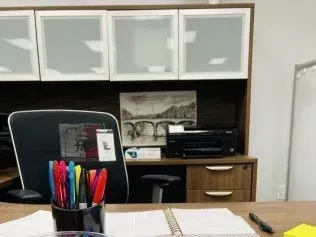
OFFICE SUPPLIES
Did you know that we sell office supplies? Did you know that we beat the prices of the big box stores? That's right! You can shop local and save more. From coffee to staplers to monitor stands, we can help you with it!
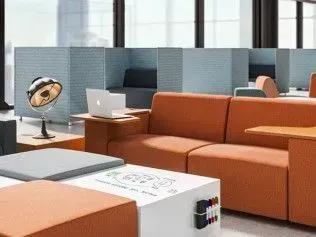
OFFICE INTERIORS
The thing your employees want you to know is how badly they hate working WHERE they work. What I want to tell you is how easy I can make it to turn the office into a place they love to be!
PROMOTIONAL PRODUCTS
Our products allow you to keep your brand in front of your customers. No matter what type of product you're looking for, Indoff has a solution for you!
Proud Members Of




Our Promise
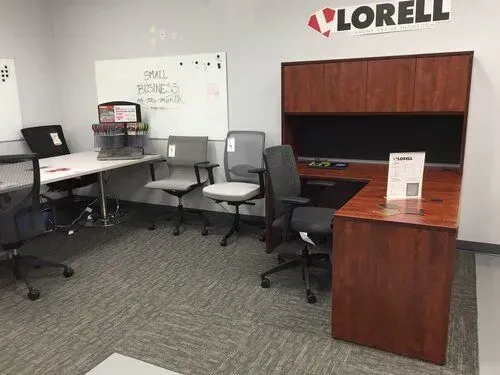
At Indoff Office Interiors, we help to find solutions to solve your office problems from the right vendor, such as AIS and Lorell, to provide the right products at the right price to meet your deadlines. Our solutions are unlimited, ensuring that we create an inspiring work environment that motivates your employees and impresses your customers.
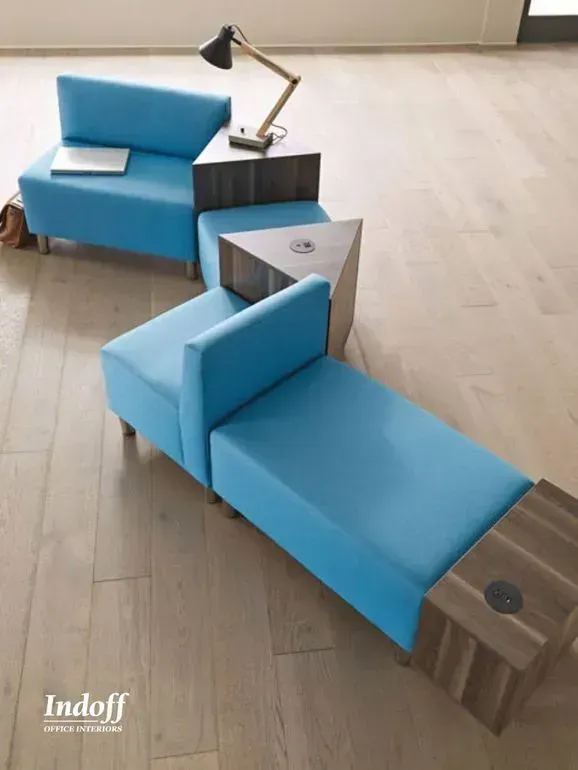
Our projects
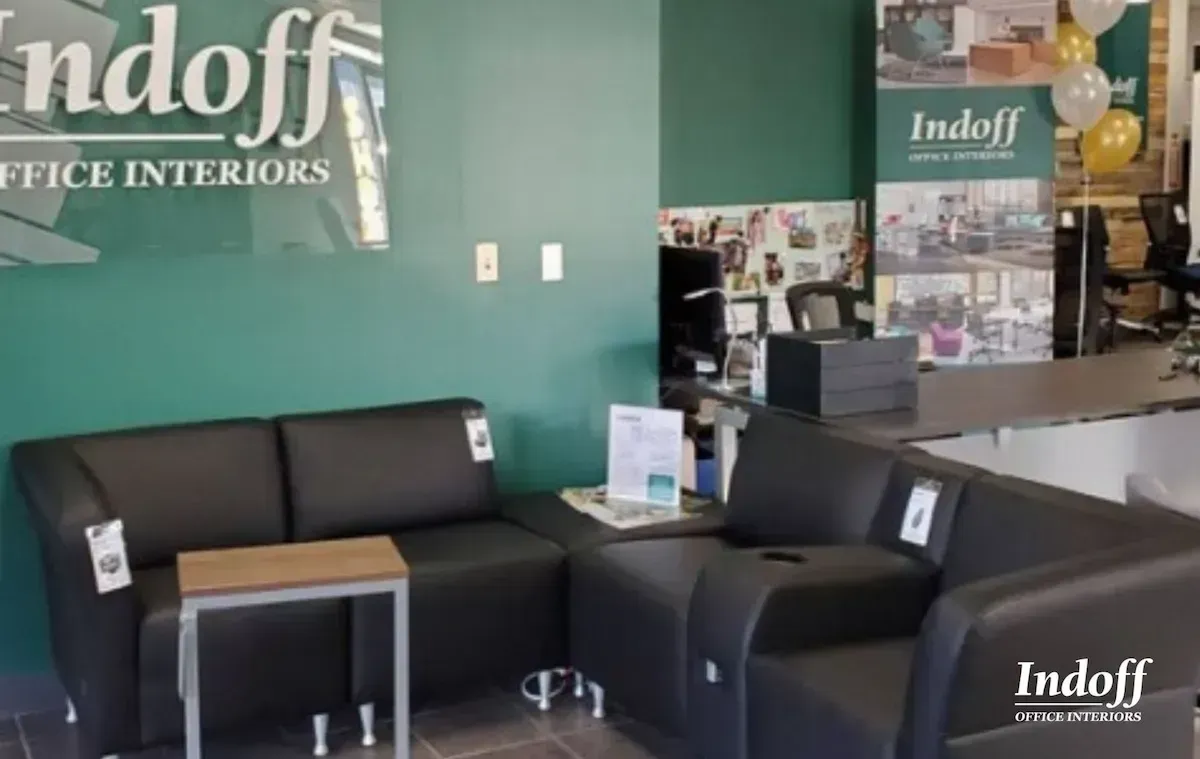
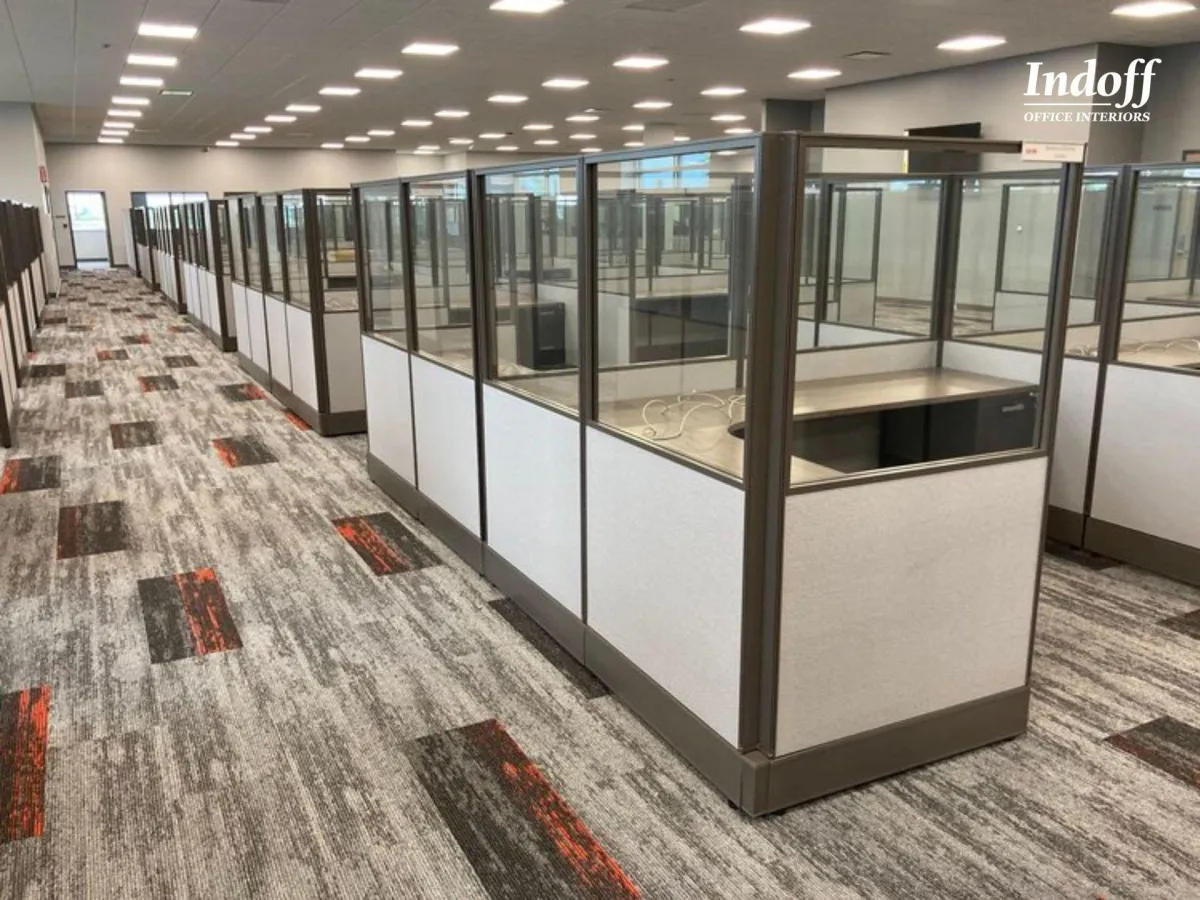
From a single chair to a full building of cubicles, and all the solutions in between, we can help with all your office interiors needs. From reception areas, break rooms, conference or training rooms to private offices and cubicles, or when you need office furniture gift ideas, we have solutions to create an environment that fits your space. We serve all of Indiana with a showroom in Lafayette and sales office in Brownsburg, IN, or near Brownsburg. Contact us now to schedule an appointment and explore our curated selection of office furnishings.
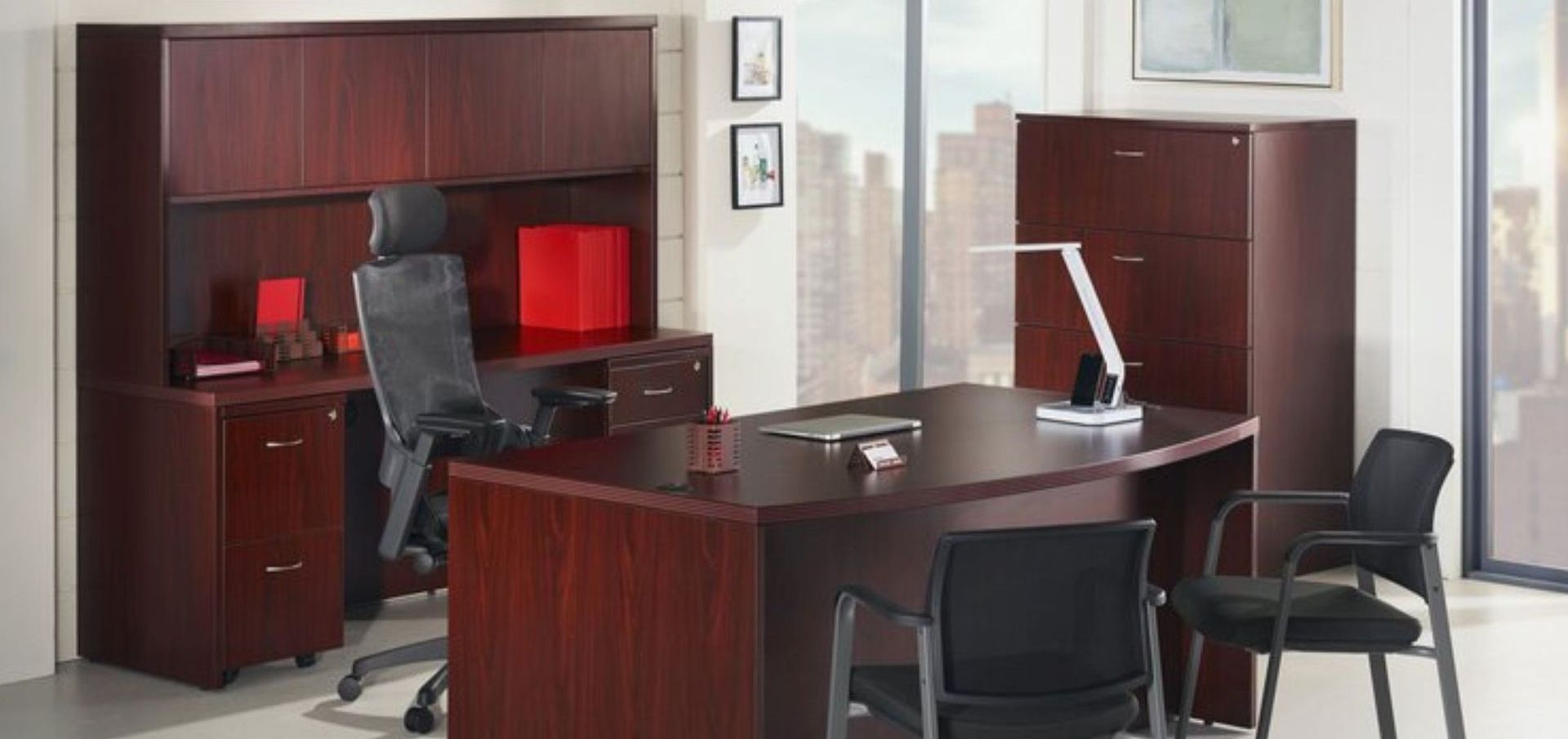
Executive Office Furniture
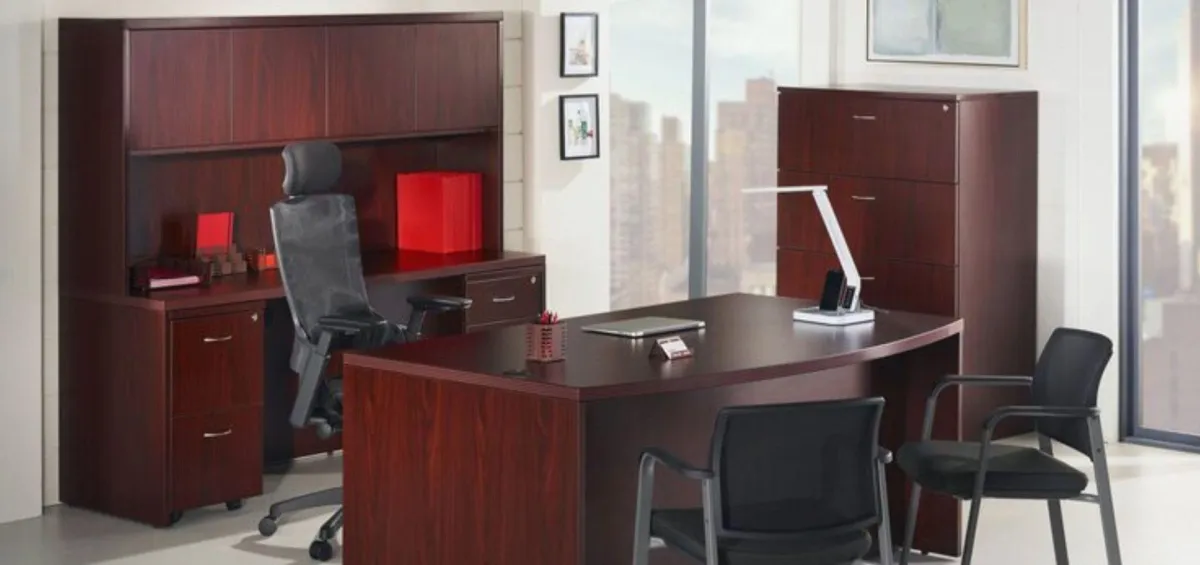
Indoff Office Interiors in Lafayette, IN, is your go-to destination for affordable office furniture. We offer a wide range of modern office furniture to suit any workspace, from stylish executive office furniture to complete office furniture sets. Our selection ensures that you'll find the perfect pieces to enhance your office environment. As one of the top furniture stores in Lafayette, Indiana, we cater to businesses of all sizes. Whether you're searching for office furniture in Lafayette, Indiana, or exploring options in Indianapolis office furniture, we have the solutions you need to create a functional and attractive workspace. Visit us to discover high-quality office furniture Indianapolis businesses trust.
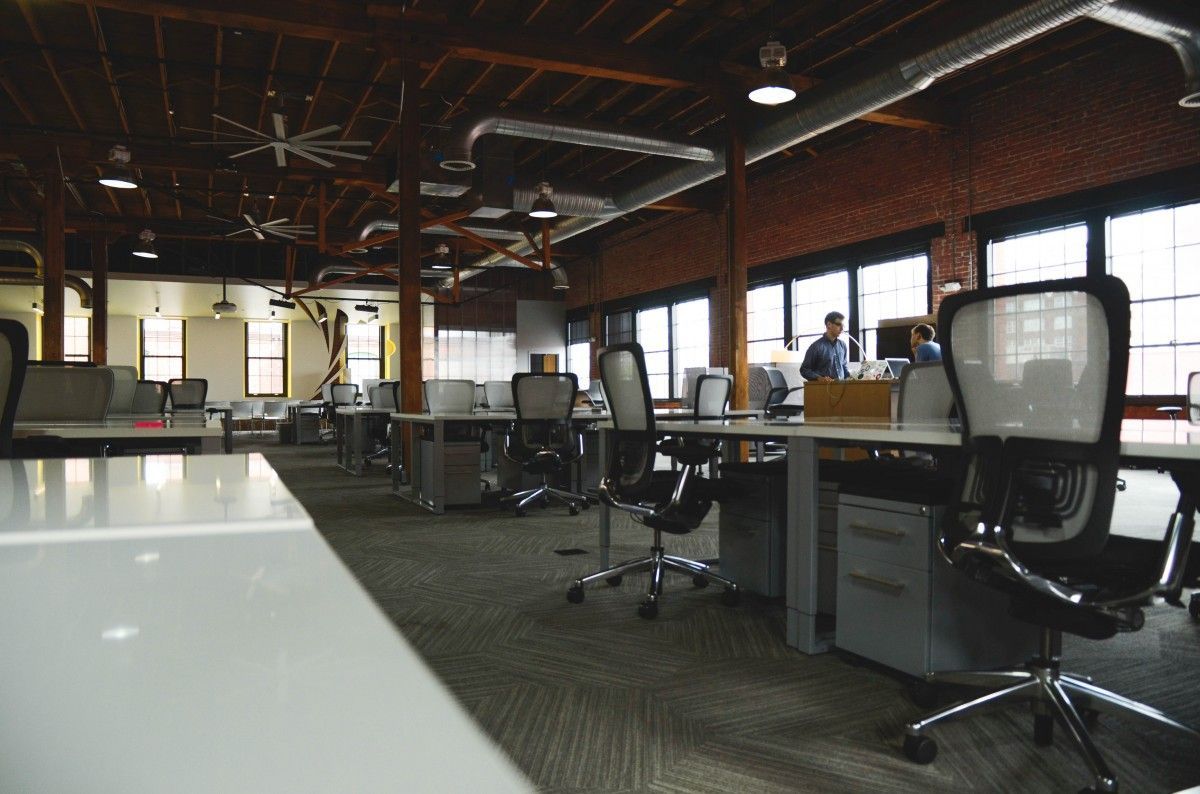
Contemporary Office Furniture
We specialize in contemporary office furniture that blends style with functionality. Our modern office furniture selection is designed to meet the needs of today’s professional environments, offering sleek designs and cutting-edge features. Located among the top furniture stores in Lafayette, Indiana, we provide an extensive range of office furniture in Lafayette, Indiana, to transform your workspace. From chic desks to stylish chairs, our furniture in Lafayette, Indiana, the collection ensures that your office reflects modern aesthetics and practical utility. Explore our store to find the perfect contemporary office furniture to elevate your workspace and create an inspiring work environment.
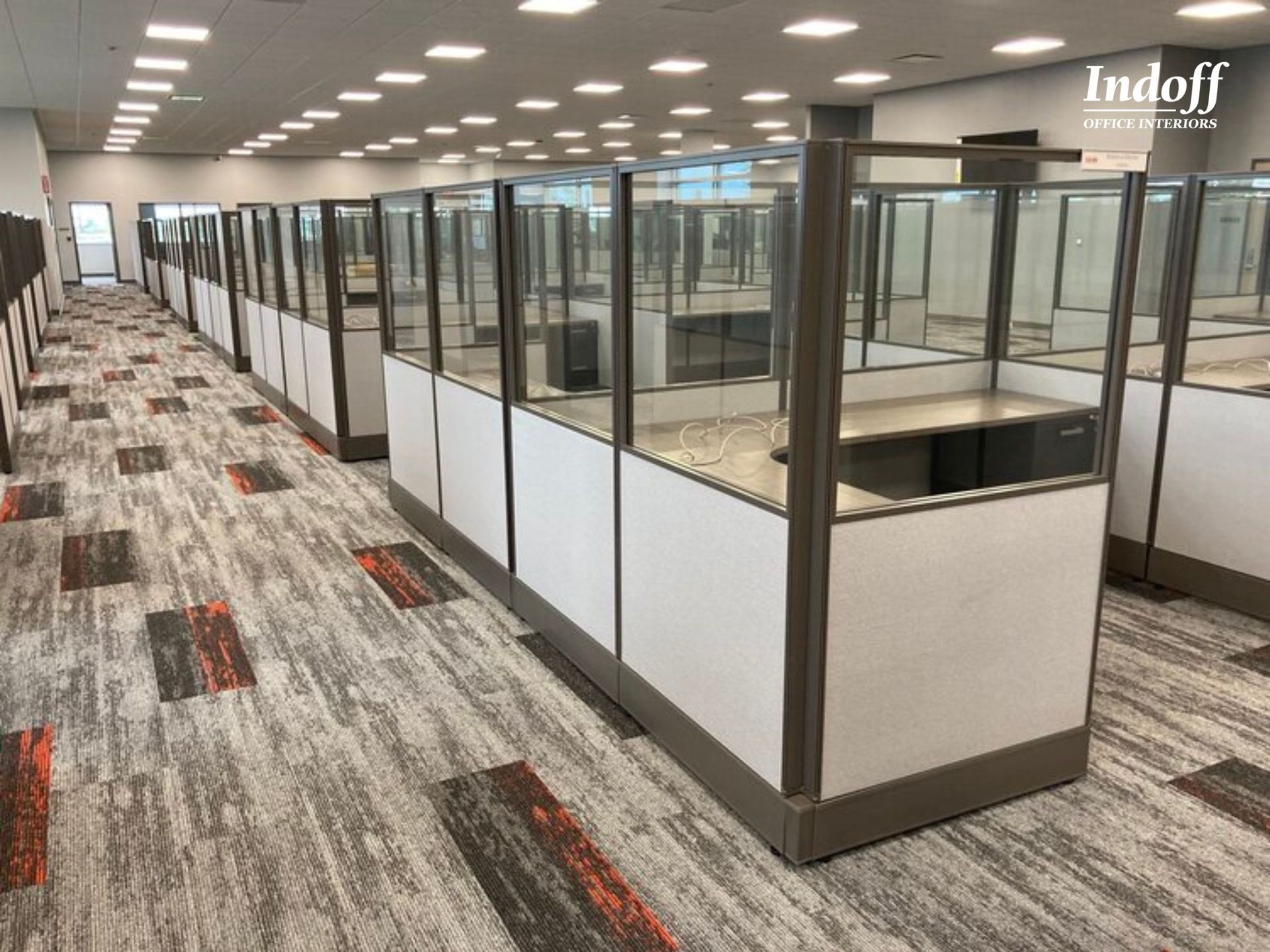
Modular Office Furniture
At Indoff Office Interiors in Lafayette, Indiana, we offer a diverse selection of contemporary office furniture that blends modern style with functionality. Our range includes modern office furniture designed to enhance any workspace with sleek, efficient designs. Whether you're searching for office furniture near me or exploring options in Indianapolis office furniture, we provide versatile solutions to meet your needs. Our collection features commercial office furniture suitable for professional environments, as well as modular office furniture that adapts to changing office layouts. Explore our comprehensive office furniture Indiana selection to find the perfect pieces to create a stylish, productive workspace.
Why Choose Indoff Office Interiors in Lafayette, Indiana?
Workspaces
Solutions
Range
Installation
Sustainability
Satisfaction
Revitalizing Workspaces for Success
We specialize in transforming workspaces into dynamic environments that inspire creativity, enhance productivity, and foster collaboration. With our expertise in workspace design and furniture solutions, we help businesses of all sizes create spaces that reflect their brand identity, support their goals, and elevate employee satisfaction. Through years of experience and a keen eye for design, we have honed our expertise in crafting dynamic workspaces that inspire innovation and drive results. Whether you're looking to redesign your entire office or simply update your furniture, we have the knowledge, experience, and resources to bring your vision to life. From initial consultation to final installation, we are dedicated to providing exceptional service, superior craftsmanship, and innovative solutions that drive real results for your business.
Custom Solutions for Every Client
We understand that every business is unique, which is why we take a personalized approach to every project we undertake. Our commitment to understanding the unique needs of each client sets us apart, and it's the cornerstone of our success. Our team of experienced designers collaborates closely with each client to understand their specific needs, preferences, and objectives. We take the time to listen to your ideas, concerns, and goals, ensuring that every aspect of your project is tailored to meet your exact specifications. From the initial consultation to the final installation, we'll be by your side every step of the way, providing guidance, support, and expertise. Our goal is not just to meet your expectations but to exceed them, delivering a solution that not only meets your needs but also enhances your workspace and inspires your team.
Comprehensive Product Selection
At Indoff Office Interiors, we offer a comprehensive selection of high-quality products from leading manufacturers. From ergonomic office chairs and adjustable height desks to modular workstations and collaborative lounge furniture, we have everything you need to create a functional, comfortable, and stylish workspace. Our extensive product range ensures that you'll find the perfect solutions to suit your aesthetic preferences, functional requirements, and budget constraints. Our goal is to provide you with everything you need to create a workspace that is not only functional and comfortable but also reflects your organization's values and inspires your team to do their best work. With our comprehensive product selection, expert guidance, and unparalleled customer service, we're here to help you bring your vision to life and transform your workspace into a place where productivity thrives and innovation flourishes.
Expert Installation and Project Management
We understand that implementing a new workspace design can seem daunting and overwhelming. That's why we're committed to making the process as seamless and stress-free as possible for our clients. With our extensive experience and expertise, we have developed a streamlined approach to installation that ensures your project is completed efficiently and with the highest level of precision. Our team of skilled technicians is dedicated to handling every aspect of the installation process with care and attention to detail. From unloading and unpacking your new furniture to assembling and installing it in your space, we take care of everything so you can focus on running your business. Our technicians are trained to work quickly and efficiently without sacrificing quality, ensuring that your new workspace is set up correctly and ready for use in no time. With our expert installation and project management support, you can rest assured that your project is in good hands.
Commitment to Sustainability
We are committed to sustainability and environmental responsibility. We believe that businesses have a responsibility to minimize their environmental impact and create healthier work environments for their employees. That's why we partner with manufacturers who share our values and prioritize eco-friendly practices and materials. From responsibly sourced wood and recycled fabrics to energy-efficient lighting and low-emission finishes, we offer sustainable solutions that help reduce your carbon footprint and promote a greener future. We are committed to promoting healthy work environments for employees by offering furniture and finishes that are free from harmful chemicals and emissions. By creating healthier indoor environments, we not only support the well-being of employees but also contribute to increased productivity and satisfaction in the workplace.
Exceptional Client Satisfaction
Our commitment to client satisfaction is at the heart of everything we do. We take pride in delivering exceptional service, superior craftsmanship, and innovative solutions that exceed our clients' expectations. Throughout every stage of your project – from conception to completion – you can expect nothing less than personalized attention, open communication, and unwavering support from our team. We believe in keeping the lines of communication wide open, ensuring that you're informed and involved every step of the way. Whether you have questions, concerns, or new ideas to discuss, we're here to listen and collaborate with you to find the best possible solutions. When you choose Indoff Office Interiors, you can trust that you're working with a trusted partner who is invested in your success and committed to helping you achieve your goals. Let us bring your vision to life and exceed your expectations every step of the way.



Keep up to date through our social pages!


Office Interiors FAQs
Hi there! Have some questions about our company? Find the answers below.
Do you offer delivery services for office furniture in Lafayette, Indiana?
Yes, we provide convenient delivery options for all purchases within Lafayette and the surrounding areas.
Can I customize office furniture to fit my workspace needs?
Absolutely! We offer customizable office furniture, including desks, chairs, and storage solutions, to match your specific requirements and design preferences.
What types of office furniture do you have in stock?
We carry a wide range of modern office furniture, including ergonomic chairs, desks, conference tables, filing cabinets, and more.
Do you offer any warranties on your office furniture?
Yes, many of our office furniture products come with manufacturer warranties. Please ask our staff for details on specific items.
Quick Links
Shop Now
Contact Information
Phone:(765) 607-1988
Location: MatchBOX Coworking Studio
17 S 6th St, Lafayette, IN 47901
Email:[email protected]
Opening Hours: By Appointment ONLY



© 2026 All Rights Reserved | Indoff Office Interiors Website Managed by Leads By Vinny | Privacy & Terms