Office Furniture Essentials for a Functional Workplace
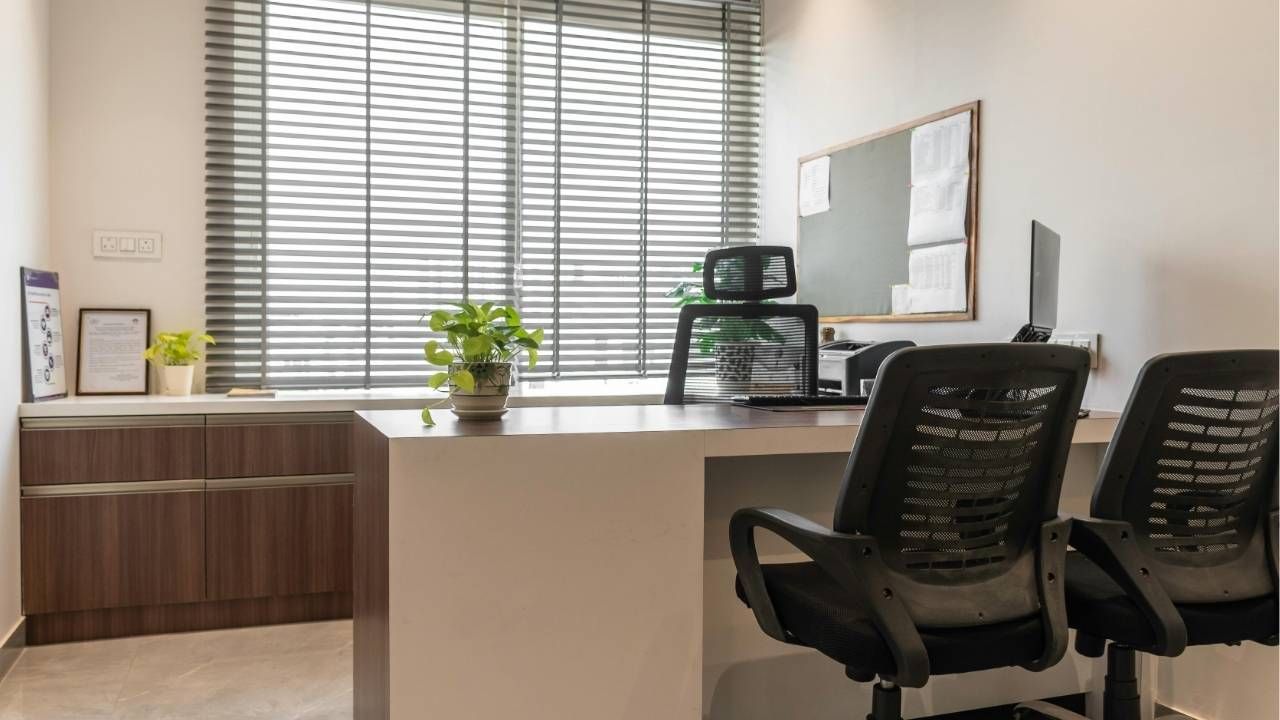
A productive workplace does not happen by accident. The right furniture can shape how people focus, move, meet, and feel throughout the day. When a space is comfortable, organized, and easy to use, work simply feels less frustrating.
In this article, you’ll learn which office furniture pieces matter most, how to choose them wisely, and how a well-planned setup can support both employees and daily operations.
Start With Desks That Fit the Work
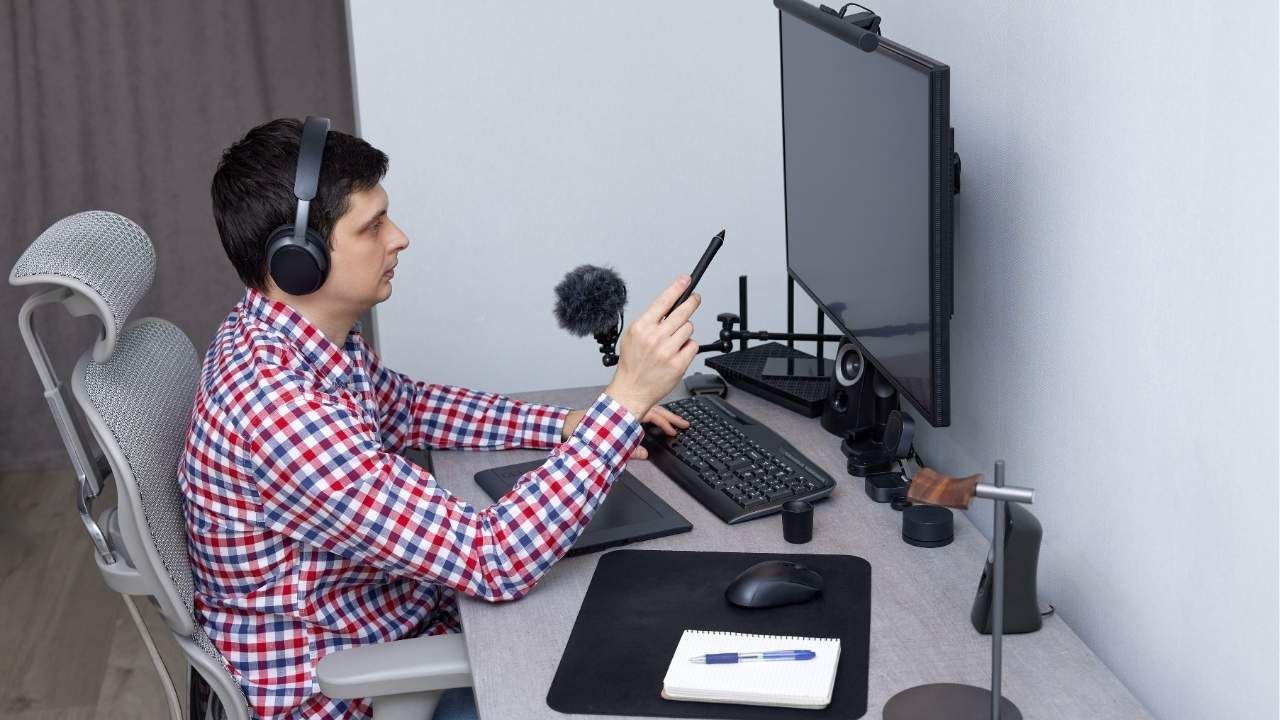
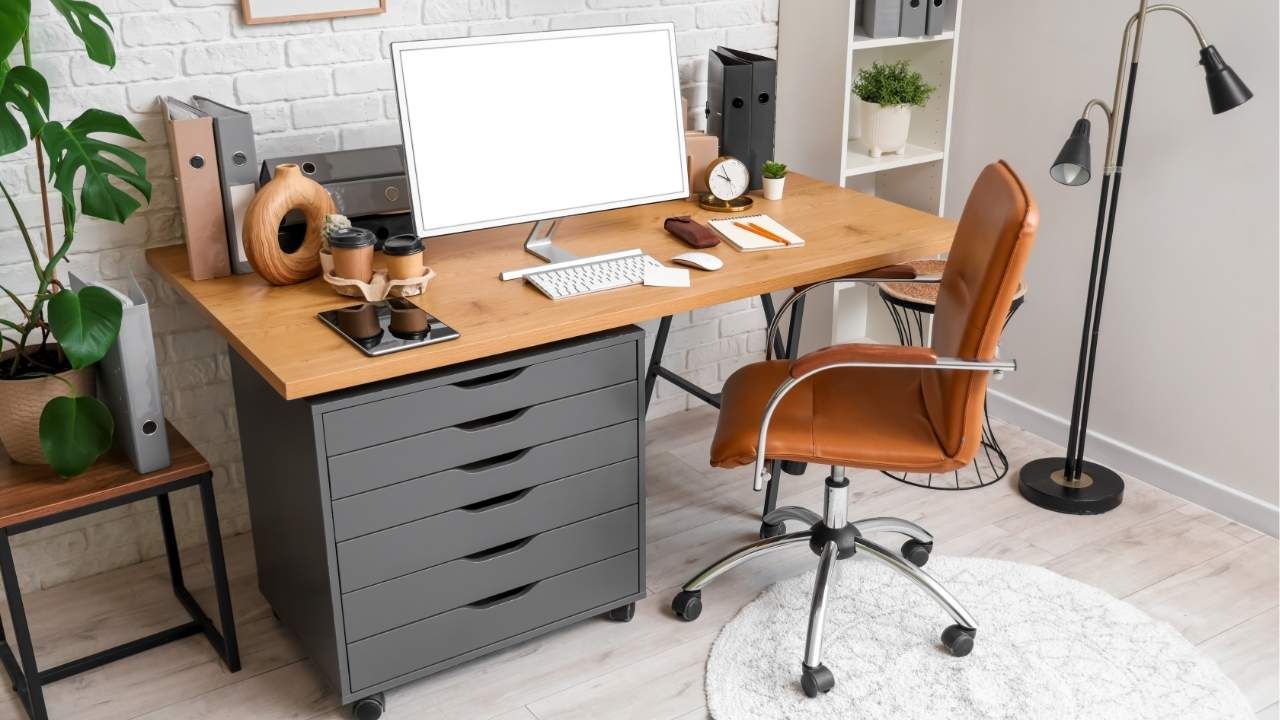
Desks are the foundation of almost every office. They need to support laptops, monitors, paperwork, supplies, and sometimes long hours of focused work. A desk that is too small creates clutter fast, while one that is too large can waste valuable floor space.
For businesses shopping for modern office furniture in Lafayette Indiana, the best starting point is to think about how each employee actually works. Someone who handles paperwork may need a larger surface and storage nearby. A designer or analyst may need space for dual monitors. A receptionist may need a desk that supports both customer interaction and administrative tasks.
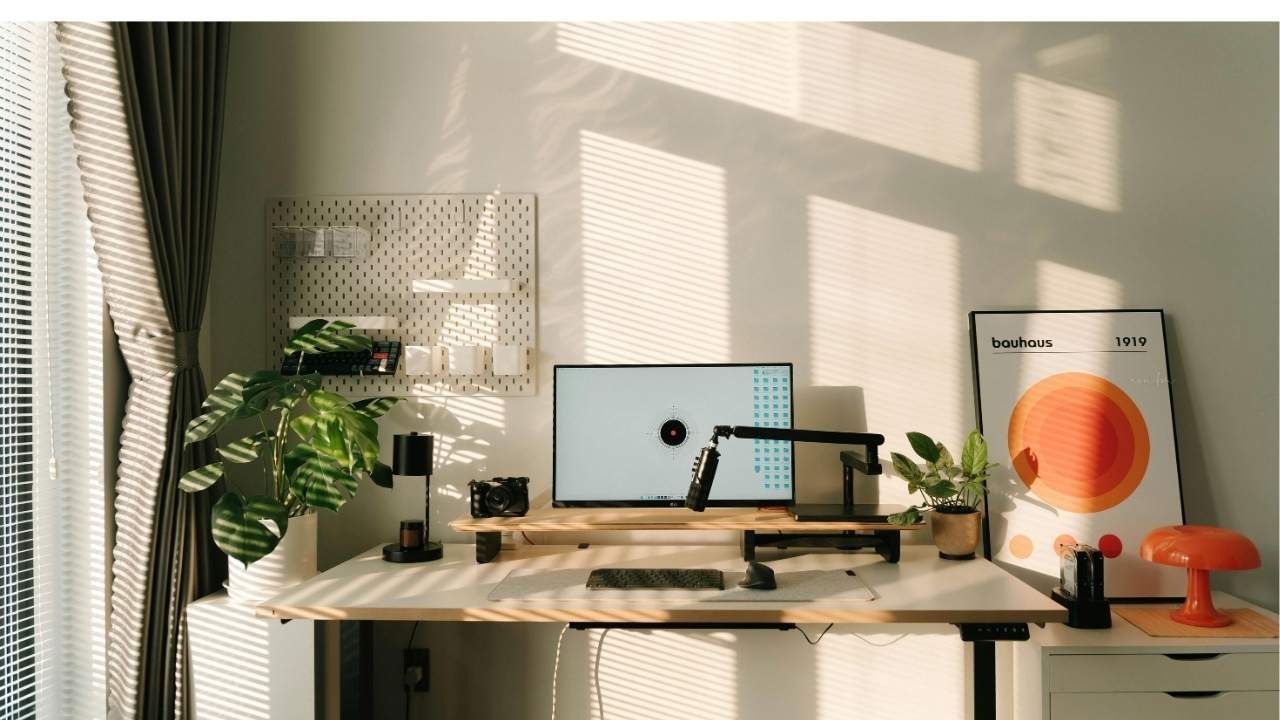
Adjustable desks are also worth considering. Sit-stand options can help reduce discomfort during long workdays and give employees more control over their work environment.
Choose Chairs That Support Real Comfort
A stylish chair is not enough. Office chairs need to support posture, movement, and long periods of sitting. Poor seating can lead to back pain, fatigue, and lower productivity.
Look for chairs with:
- Adjustable height
- Lumbar support
- Comfortable seat depth
- Armrests that support relaxed shoulders
- Smooth rolling wheels
- Breathable materials
Chairs are one of the few areas where cutting corners usually backfires. Employees use them every day, so comfort and durability matter. A good chair helps people stay focused instead of constantly shifting around to get comfortable.
Plan Storage Before Clutter Takes Over
A functional workplace needs smart storage. Even in digital offices, papers, supplies, files, equipment, and personal items still need a place to go. Without storage, clutter spreads quickly across desks, meeting rooms, and shared areas.
Filing cabinets, shelving units, mobile pedestals, lockers, and supply cabinets all help keep the office organized. The key is placing storage where people actually need it. A printer station should have paper and toner nearby. Workstations should have space for daily essentials. Shared storage should be easy to access without disrupting others.
Good office interiors are not just about appearance. They are about flow, convenience, and reducing small daily annoyances that slow people down.
Use Flexible Furniture for Changing Needs
Modern workplaces change quickly. Teams grow, departments shift, and work styles evolve. That is why modular furniture can be a smart investment. It allows businesses to reconfigure desks, workstations, tables, and storage without starting from scratch every time the layout needs to change.
This flexibility is especially useful for collaborative teams, hybrid offices, training rooms, and growing companies. Instead of being locked into one setup, the workspace can adapt as needs change.
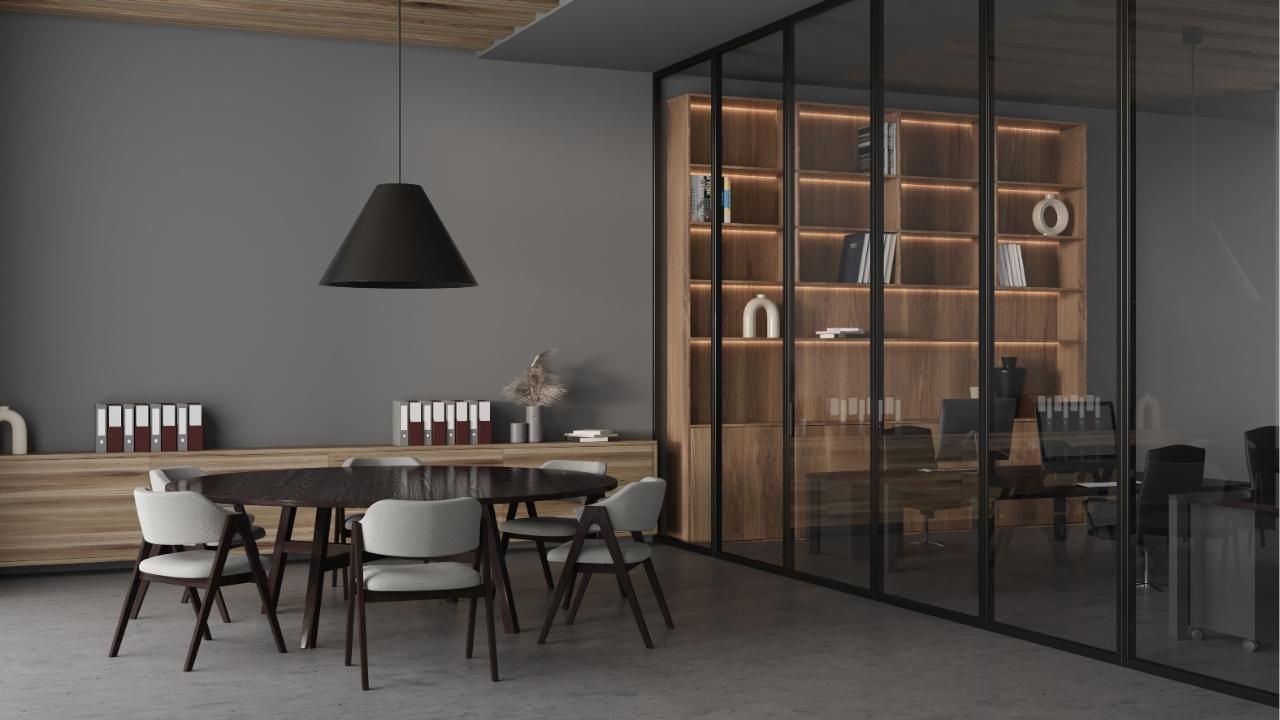
Conference tables, movable partitions, nesting chairs, and mobile storage units can also make the office more versatile. A room used for meetings in the morning can become a training area in the afternoon with the right furniture choices.
Case Study: A Small Office That Worked Smarter
A local accounting office had a common problem: too much clutter, not enough privacy, and employees working from mismatched desks and aging chairs. The team replaced bulky furniture with streamlined workstations, ergonomic seating, and shared storage near the printer area. They also added a flexible meeting table that could be moved for tax season training sessions. Within a few weeks, employees reported fewer distractions and better comfort. The office did not become larger, but it felt more open, organized, and professional because every piece of furniture had a clear purpose.
Final Thoughts
Office furniture should do more than fill a room. It should support the way people work every day. Desks, chairs, storage, meeting tables, and flexible furniture all play a role in creating a workplace that feels organized, comfortable, and efficient.
Before buying anything, look at your team’s daily routines, space limitations, and future growth. The best office setup is not always the most expensive one. It is the one that makes work easier.
Ready to improve your workspace? Schedule an appointment today to explore office furniture options that fit your team, space, and daily workflow.