What to Consider Before Updating Your Office Interiors
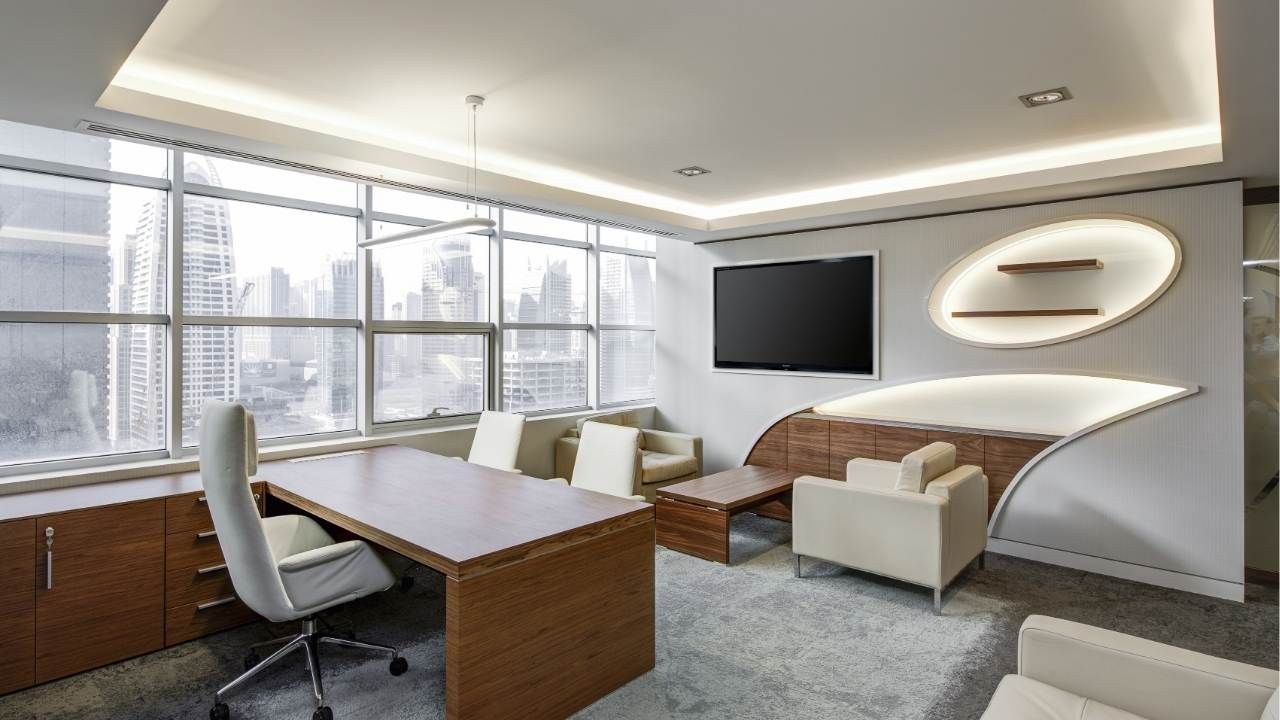
Thinking about refreshing your office space? It’s not just about making things look better, it’s about creating an environment that actually works for your team. A well-planned update can boost productivity, improve comfort, and even leave a stronger impression on clients.
In this guide, you’ll learn what really matters before making changes; from budgeting and layout to furniture choices and long-term value. If you’re planning to upgrade, this will help you avoid costly mistakes and get it right the first time.
Start With Purpose, Not Aesthetics
It’s tempting to jump straight into colors, finishes, and décor. But before that, ask a more important question: What’s the goal of this update?
Are you trying to:
- Improve employee comfort?
- Make better use of space?
- Create a more professional look for clients?
Your answers will shape every decision that follows. For example, if comfort is the priority, investing in ergonomic furniture becomes non-negotiable. If collaboration is key, open layouts and shared workstations may make more sense.
Clarity here prevents wasted spending later.
Set a Realistic Budget (With Wiggle Room)
Office updates can spiral out of control fast if you don’t set clear limits. Costs add up, not just for furniture, but also for delivery, installation, and possible downtime.
A practical approach:
- Allocate 70% of your budget to essentials (desks, chairs, storage)
- Use 20% for upgrades (design elements, lighting improvements)
- Keep 10% as a buffer for unexpected expenses
If you're sourcing affordable office furniture in Lafayette IN, compare suppliers carefully. Price matters, but so does durability. Cheap pieces that wear out quickly will cost more in the long run.
Think About Layout and Flow
A beautiful office means nothing if it disrupts workflow.
Before buying anything, map out how people move through the space. Consider:
- High-traffic areas
- Quiet zones for focused work
- Meeting and collaboration spaces
Poor layout leads to distractions and inefficiency. On the other hand, a smart layout can naturally guide behavior, encouraging teamwork where needed and focus where it matters.
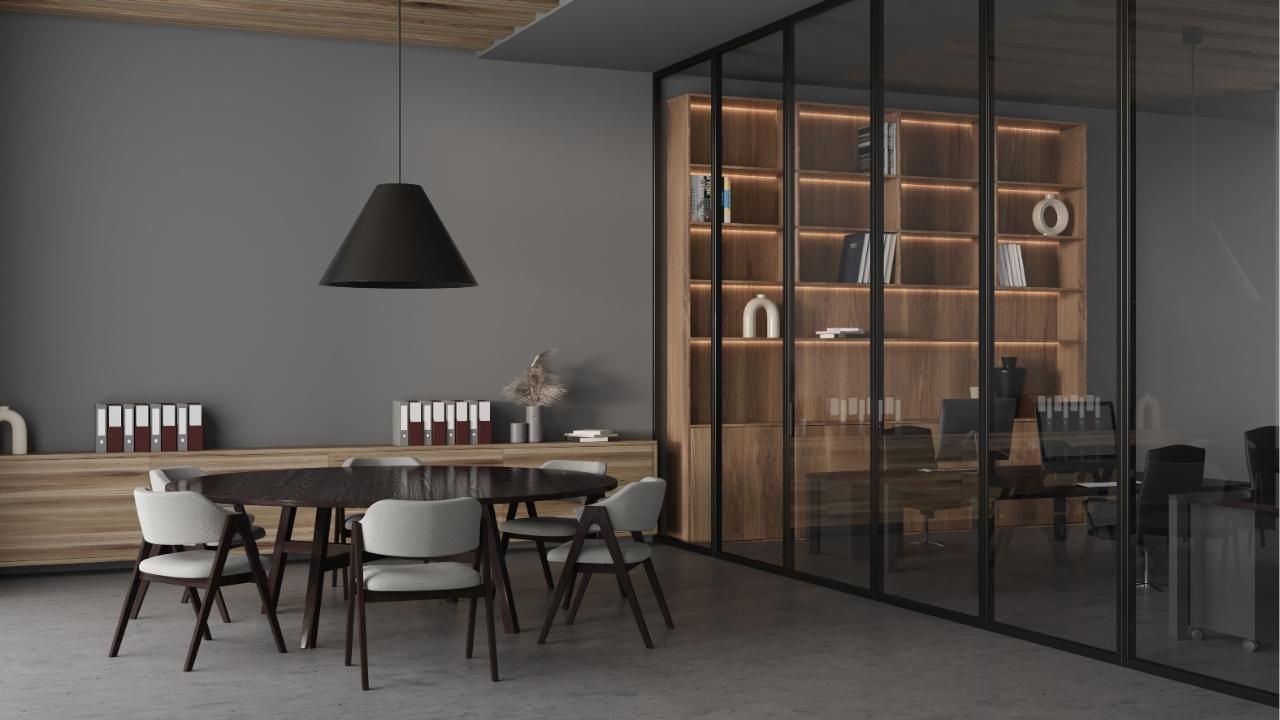
This is where many businesses go wrong: they shop office furniture first, then try to force everything into the space. Flip that approach. Plan the layout first, then buy what fits.
Prioritize Comfort and Health
Your team spends hours every day in the office. That makes comfort more than a luxury, it’s a necessity.
Investing in ergonomic furniture helps:
- Reduce back and neck pain
- Improve posture
- Increase productivity over time
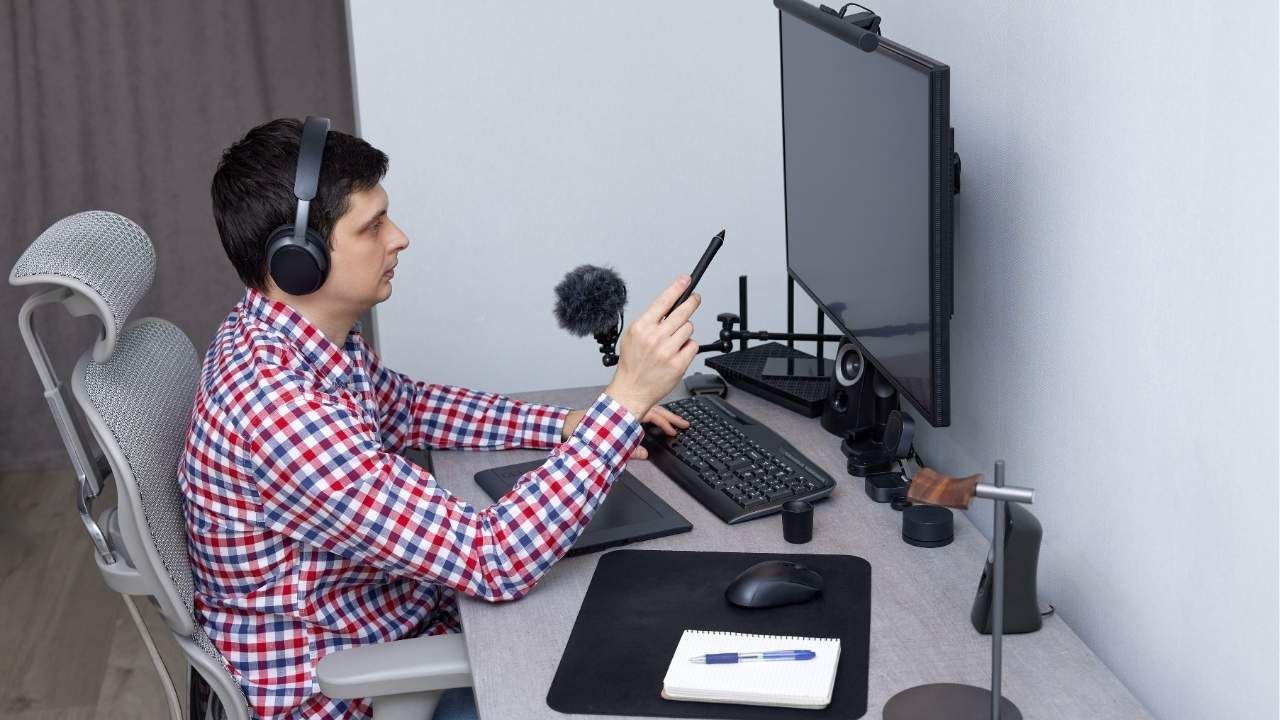
Chairs, desks, and even monitor placements should support natural body movement. This isn’t just about employee satisfaction, it directly impacts performance and long-term health.
Skipping this step might save money upfront, but it often leads to higher costs through absenteeism and lower output.
Don’t Ignore Branding and First Impressions
Your office is a reflection of your business. Clients notice it. Employees feel it.
Even small design touches can reinforce your brand:
- Color schemes that match your identity
- Clean, organized spaces
- Thoughtful lighting
You don’t need a complete overhaul to make an impact. Sometimes, a few strategic updates can elevate the entire space.
Case Study: A Small Office, Big Impact
A local consulting firm decided to update its outdated office after noticing declining employee morale. Instead of rushing into purchases, they started with a layout redesign.
They created defined zones for collaboration and quiet work, then replaced old chairs with ergonomic options and streamlined their desk setup. They also added subtle branding elements through color and signage.
The result? Within three months, they reported improved productivity, fewer complaints about discomfort, and better client feedback during meetings. The total cost stayed within budget because they planned first and avoided unnecessary purchases.
Plan for Long-Term Flexibility
Your office shouldn’t just meet today’s needs, it should adapt to future changes.
Look for:
- Modular furniture
- Adjustable desks
- Scalable layouts
This gives you the freedom to grow or reorganize without starting from scratch.
Updating your office interiors is a strategic move, not just a cosmetic one. Done right, it improves how your team works and how your business is perceived.
Ready to upgrade your workspace? Contact us today to start planning an office interior that truly works for your business.