Office Interior Design Mistakes That Cost Businesses Money
A poorly designed office does more than look outdated. It quietly drains money through wasted space, frustrated employees, weak first impressions, and furniture that needs replacing too soon.
Business owners often focus on rent, payroll, equipment, and marketing, but the office itself can become a hidden expense when it is planned without strategy. In this article, you’ll learn the common office interior design mistakes that cost businesses money and how to avoid them before they affect productivity, morale, and growth.
Mistake 1: Buying Furniture Without a Space Plan
One of the most expensive mistakes is purchasing desks, chairs, tables, and storage before understanding how the space should function. A good layout supports daily workflow, team communication, privacy, and movement.
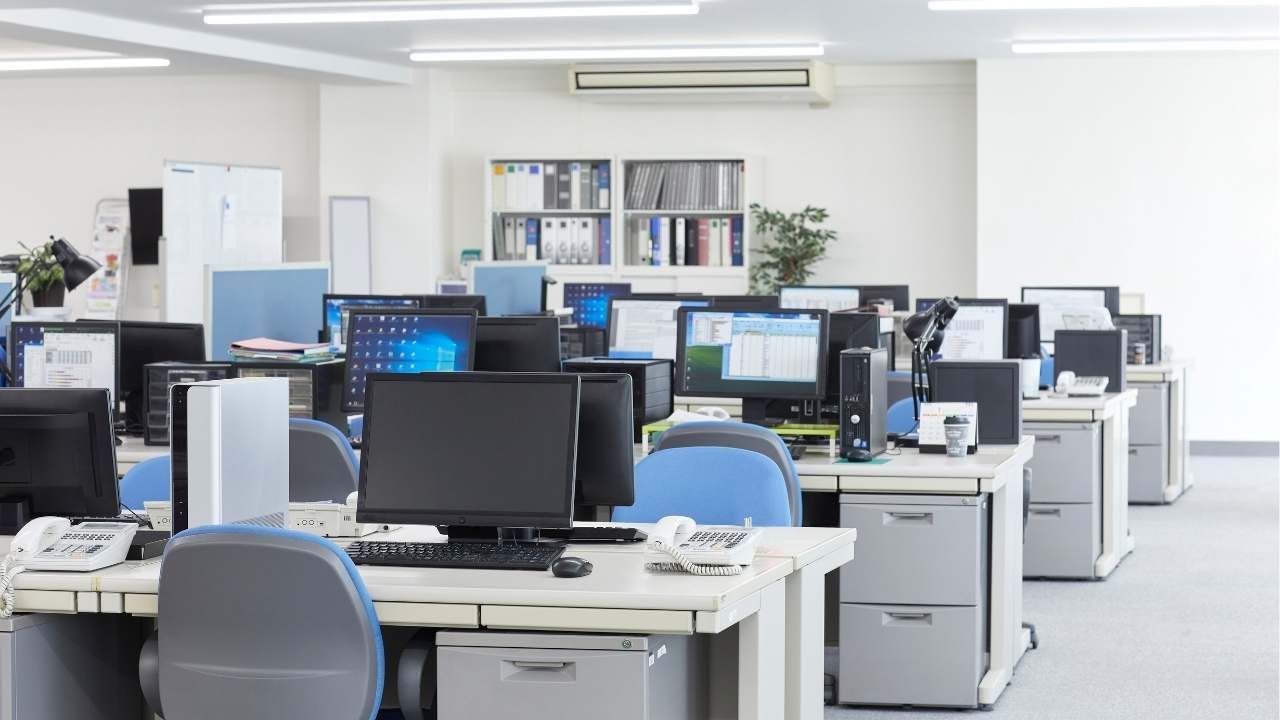
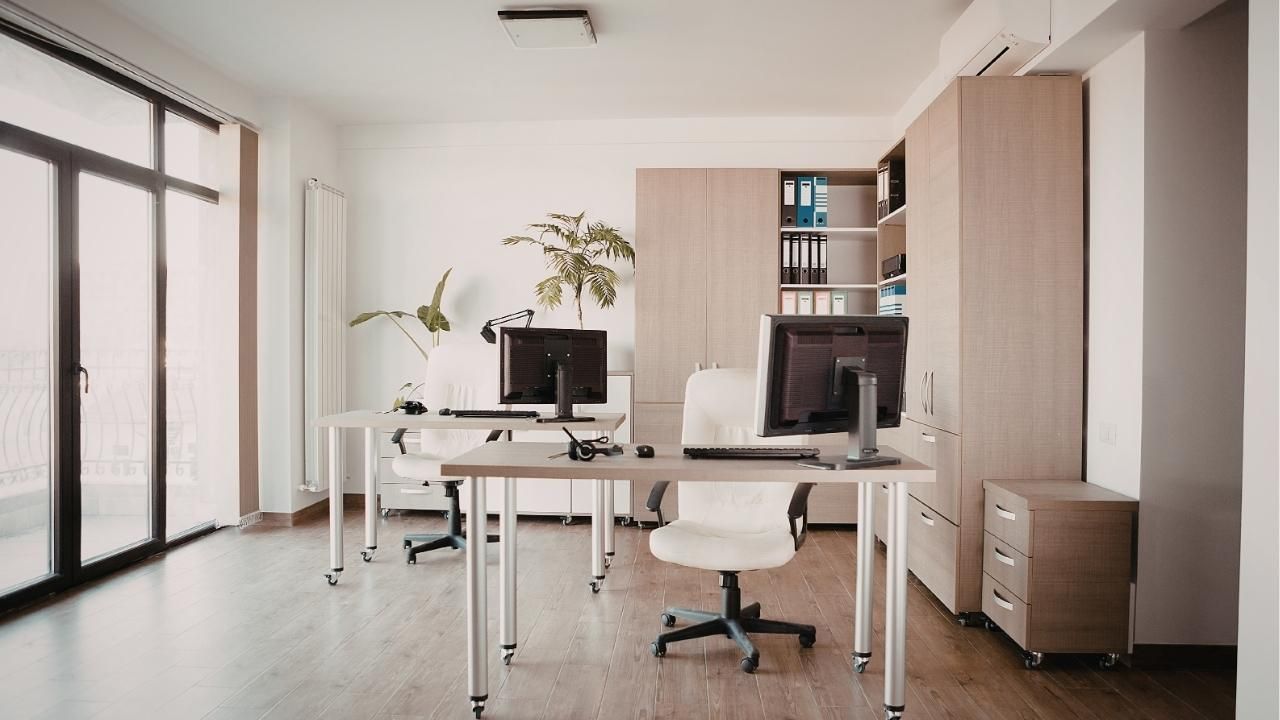
When companies rush into buying furniture, they often end up with crowded walkways, unused corners, uncomfortable workstations, or conference rooms that do not fit the team’s actual needs. This leads to replacement costs, rearranging expenses, and employee frustration.
Before investing in office furniture solutions in Lafayette IN, businesses should consider:
- How many employees use the space daily
- Which teams need to work closely together
- Where private calls or focused work should happen
- How clients and visitors move through the office
- Whether the layout can support future growth
A smart plan helps every square foot work harder.
Mistake 2: Ignoring Employee Comfort
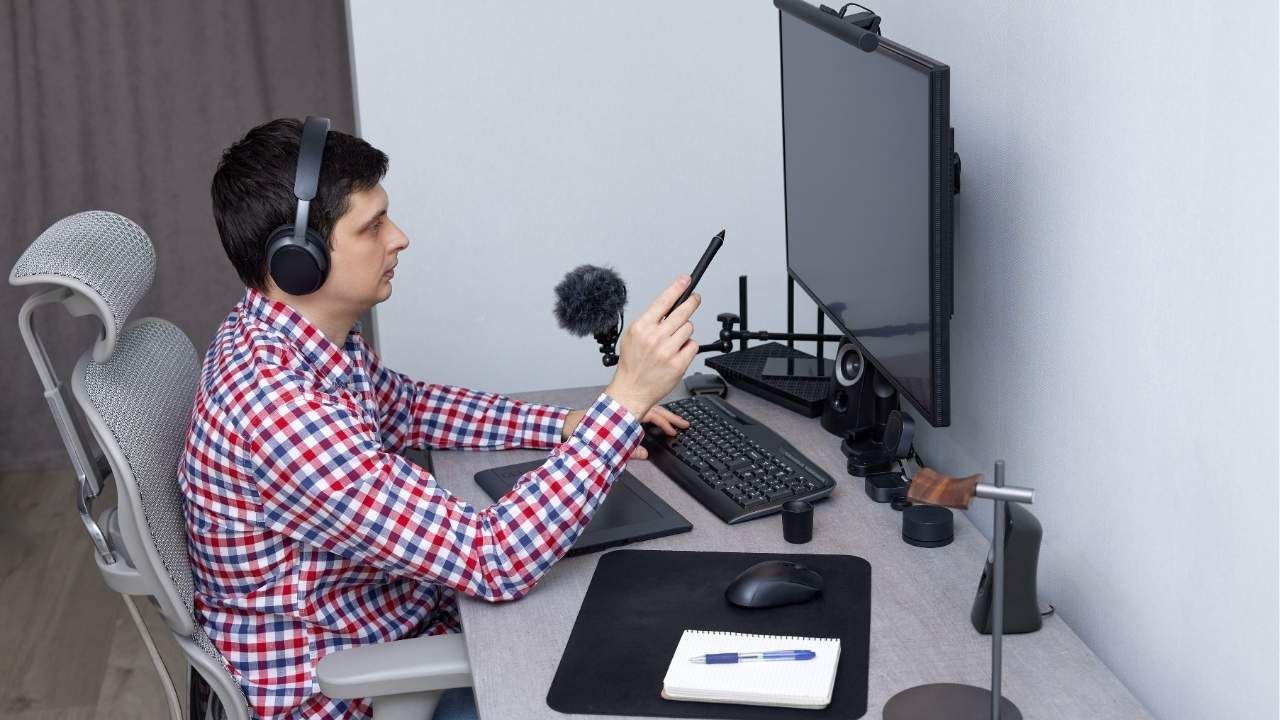
Uncomfortable offices cost money because they reduce focus. If chairs cause back pain, desks are the wrong height, lighting feels harsh, or meeting rooms are too noisy, employees lose energy throughout the day.
Good office interiors should balance function and comfort. That does not mean turning the office into a luxury lounge. It means choosing practical design features that help people do their jobs better.
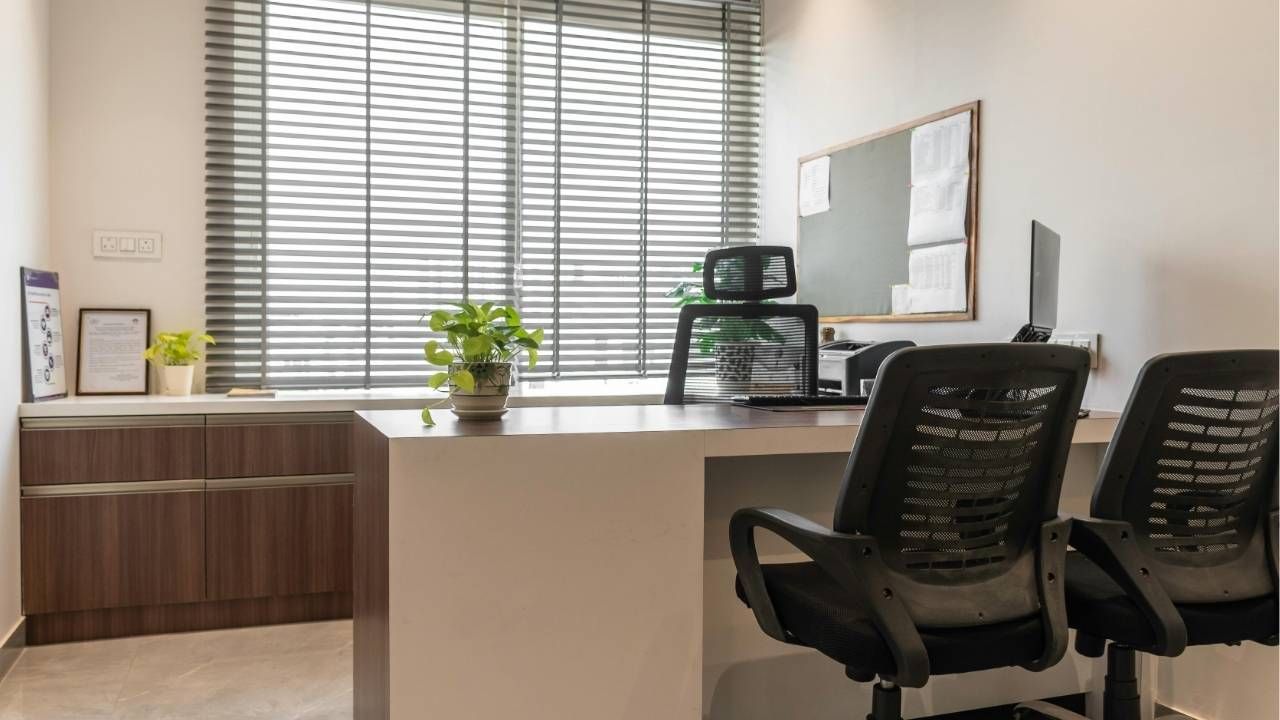
Ergonomic chairs, adjustable work surfaces, proper lighting, acoustic panels, and organized storage can make a major difference. Employees who feel physically comfortable are less distracted, less fatigued, and more likely to stay productive.
This naturally connects to another common problem: choosing cheap furniture only because it lowers the upfront cost.
Mistake 3: Choosing the Cheapest Option Every Time
Saving money upfront can become expensive later. Low-quality office furniture may look fine at first, but weak frames, poor upholstery, unstable desks, and uncomfortable chairs often wear out quickly.
When furniture breaks down, businesses pay twice: once for the cheap product and again for the replacement. There may also be downtime, delivery costs, disposal fees, and disruption to the team.
A better approach is to choose durable pieces from a trusted modular furniture shop that can adapt as the business changes. Modular furniture is useful because it can often be rearranged, expanded, or reconfigured instead of replaced completely.
That flexibility matters when teams grow, departments shift, or hybrid schedules change how the office is used.
Mistake 4: Forgetting About Brand Image
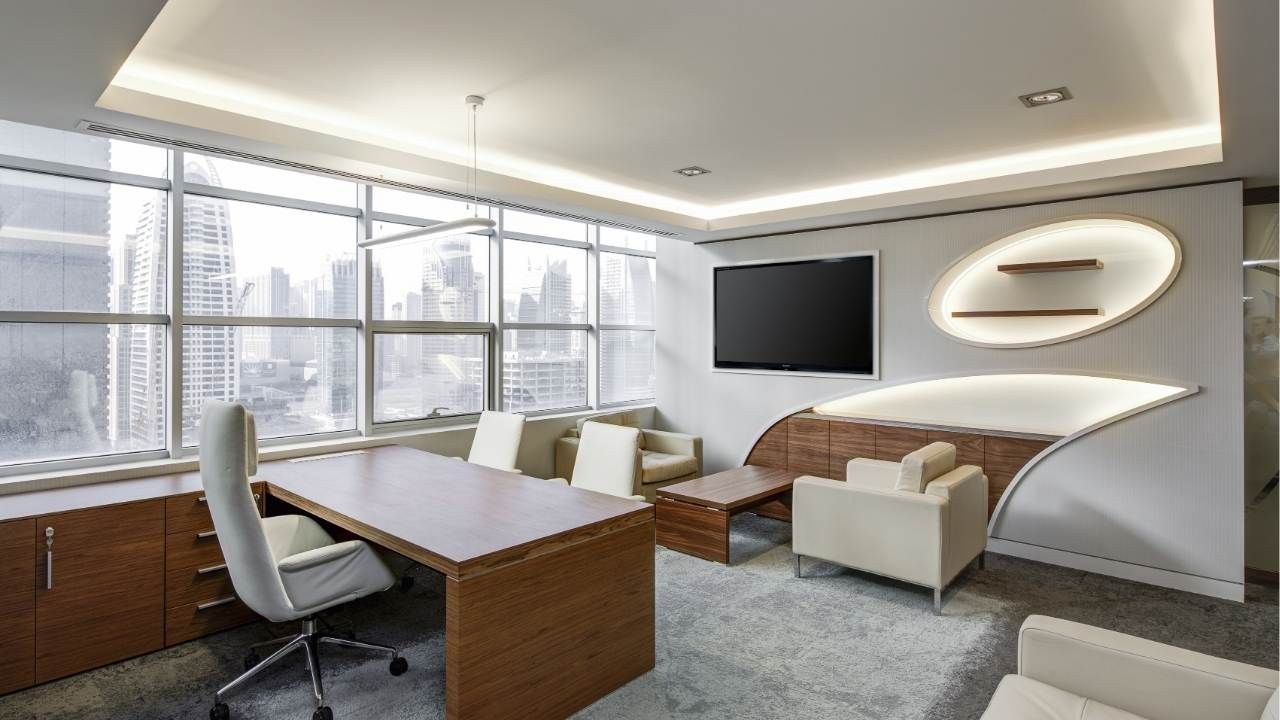
Your office sends a message before anyone says a word. Clients, job candidates, vendors, and employees all notice whether the space feels organized, professional, dated, cramped, or neglected.
A messy or poorly designed office can make a business seem less reliable. On the other hand, a clean and thoughtful space builds confidence. It shows that the company pays attention to details.
Brand image does not require expensive finishes everywhere. Simple choices can make a strong impact:
- Consistent colors
- Clean reception areas
- Comfortable seating
- Good lighting
- Organized storage
- Clear pathways
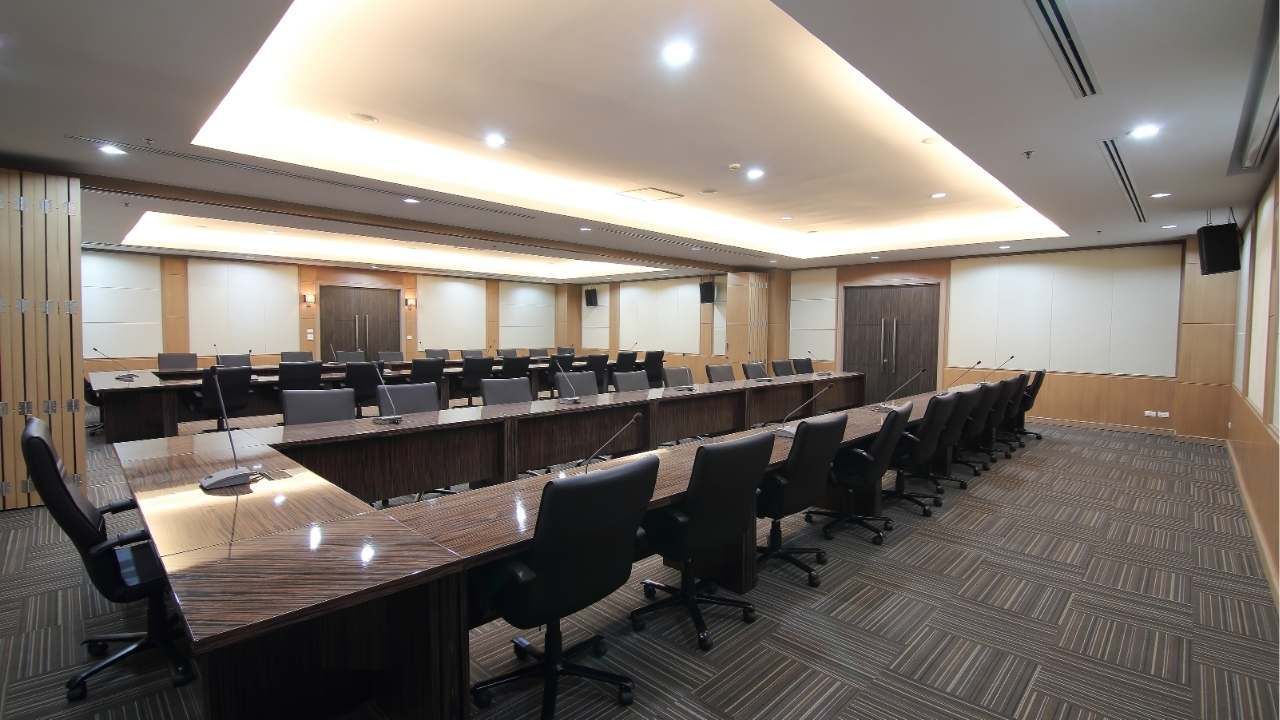
- Professional meeting spaces
When your office supports your brand, it helps sales conversations, recruiting, and employee pride.
Short Case Study: The Cost of a Bad Layout
A growing accounting firm added six new employees but kept the same office layout. Desks were placed wherever they could fit, storage cabinets blocked walkways, and the conference room became a temporary filing area. Within months, employees complained about noise, clutter, and lack of privacy. Client meetings felt awkward because the space looked disorganized. Instead of moving to a larger office, the firm worked with a planner to redesign the layout, replace oversized desks, and add flexible storage. The result was a cleaner office, better workflow, and no need for a costly relocation.
Mistake 5: Failing to Plan for Growth
Many businesses design offices only for today. That works for a little while, but growth quickly exposes weak planning. New hires need desks. Teams need meeting areas. Files, supplies, and equipment need storage. Without a flexible plan, the office becomes crowded and inefficient.
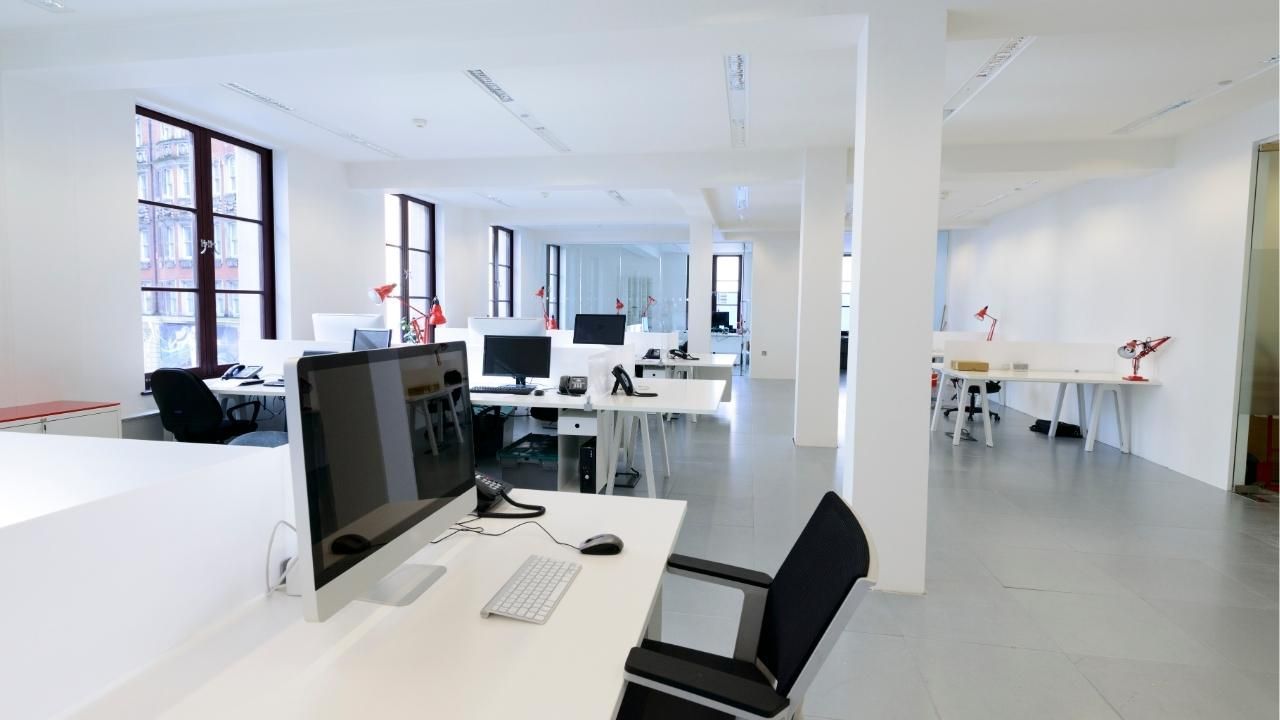
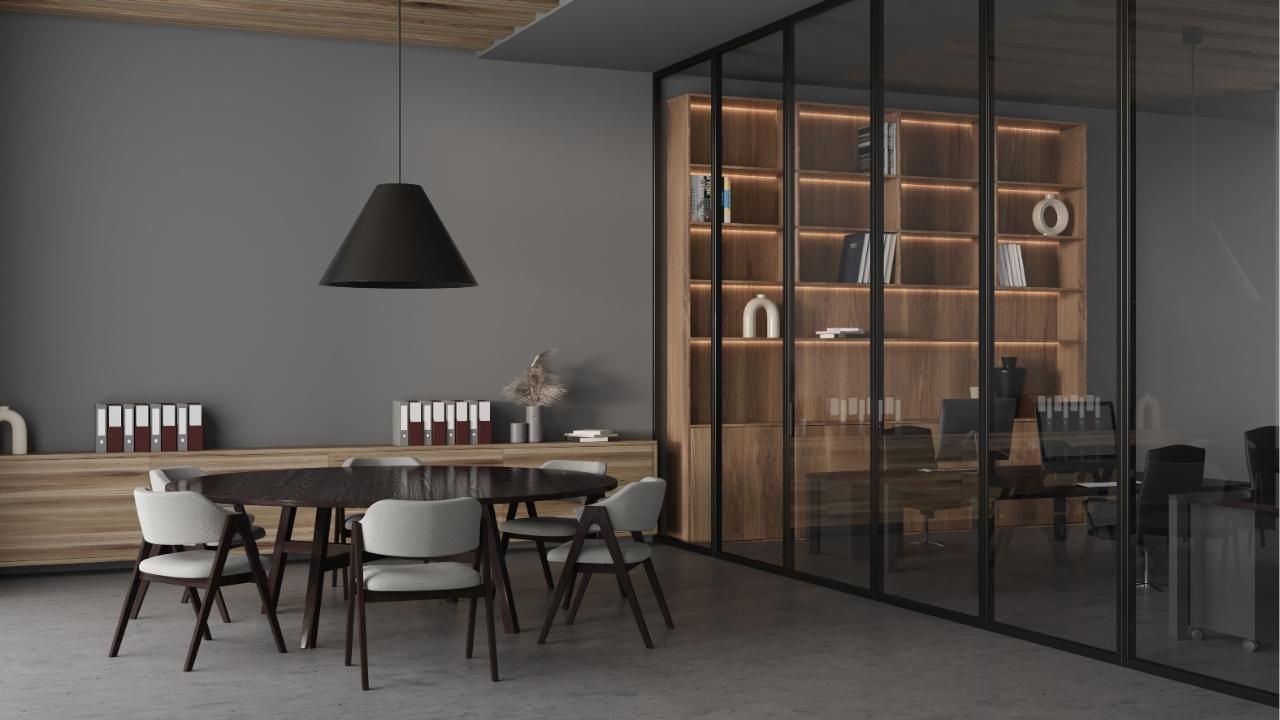
A future-ready office should leave room for change. This may include movable partitions, modular desks, multi-use meeting rooms, and furniture that can be expanded over time.
The goal is not to predict everything perfectly. The goal is to avoid locking the business into a layout that becomes expensive to fix.
Build an Office That Works as Hard as You Do
Office design is not just about appearance. It affects productivity, employee comfort, client trust, and long-term operating costs. The wrong choices quietly waste money, while the right choices help your business run smoother every day.
Start by reviewing your current layout, furniture quality, storage, lighting, and growth needs. Then work with professionals who understand how to create a space that supports your team, your clients, and your bottom line. Shop now to explore office furniture options that can help you build a smarter, more efficient workplace.