Conference Room Furniture Buying Guide for Businesses
A conference room is more than a place to hold meetings. It is where teams solve problems, clients form first impressions, and important business decisions take shape.
The right furniture can make those conversations more productive, while poor choices can leave the room feeling cramped, uncomfortable, or outdated. This guide explains how to select conference room furniture that fits your space, supports your team, and creates a professional setting for every meeting.
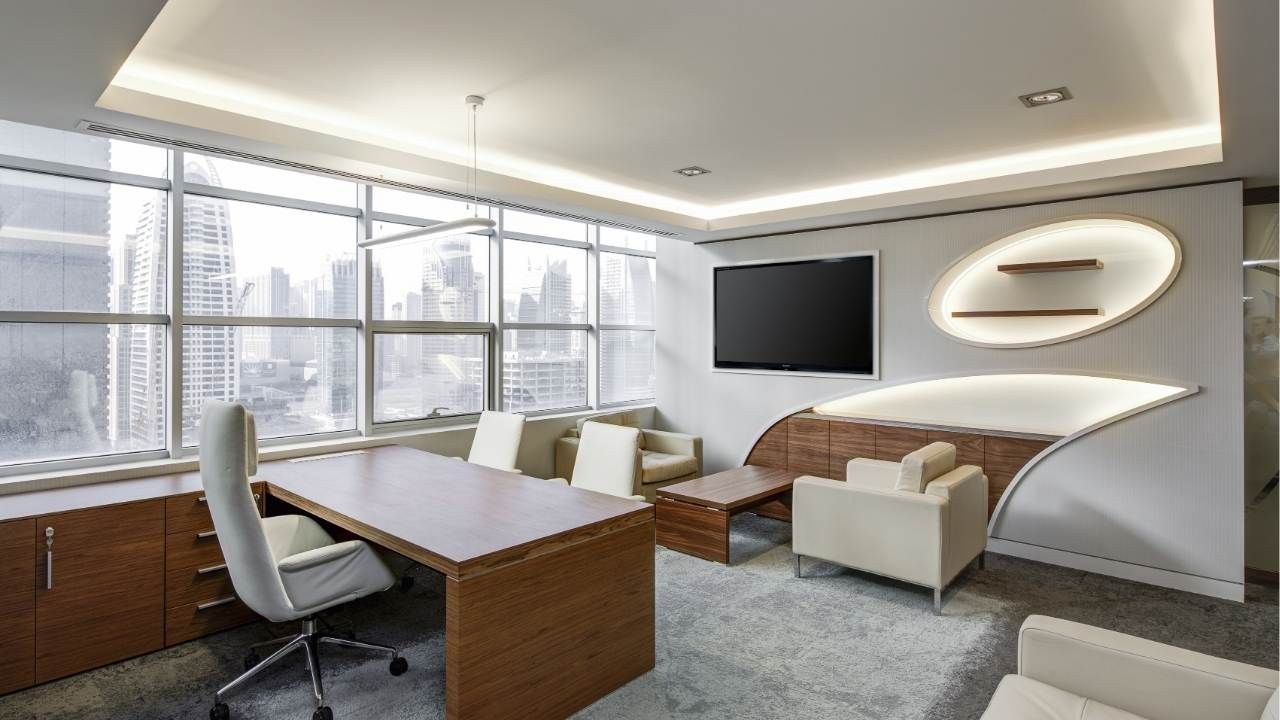
Businesses comparing Lafayette Indiana office furniture stores should look beyond appearance and consider comfort, durability, room size, technology, and long-term value. Every item should work together to create functional office interiors that reflect the company’s culture and daily needs. Rather than rushing to shop now, take time to define how the room will be used and which features matter most.
Start With the Purpose of the Conference Room
Before comparing tables and chairs, think about what normally happens in the room. A space used for short team check-ins will have different furniture needs than a boardroom used for client presentations or executive meetings.
Ask a few practical questions:
- How many people usually attend meetings?
- Will the room host clients, employees, or both?
- Are meetings typically brief or several hours long?
- Will participants use laptops, monitors, or video conferencing equipment?
- Does the room need to support training sessions or collaborative work?
These answers will help you choose furniture based on real business needs rather than appearance alone.
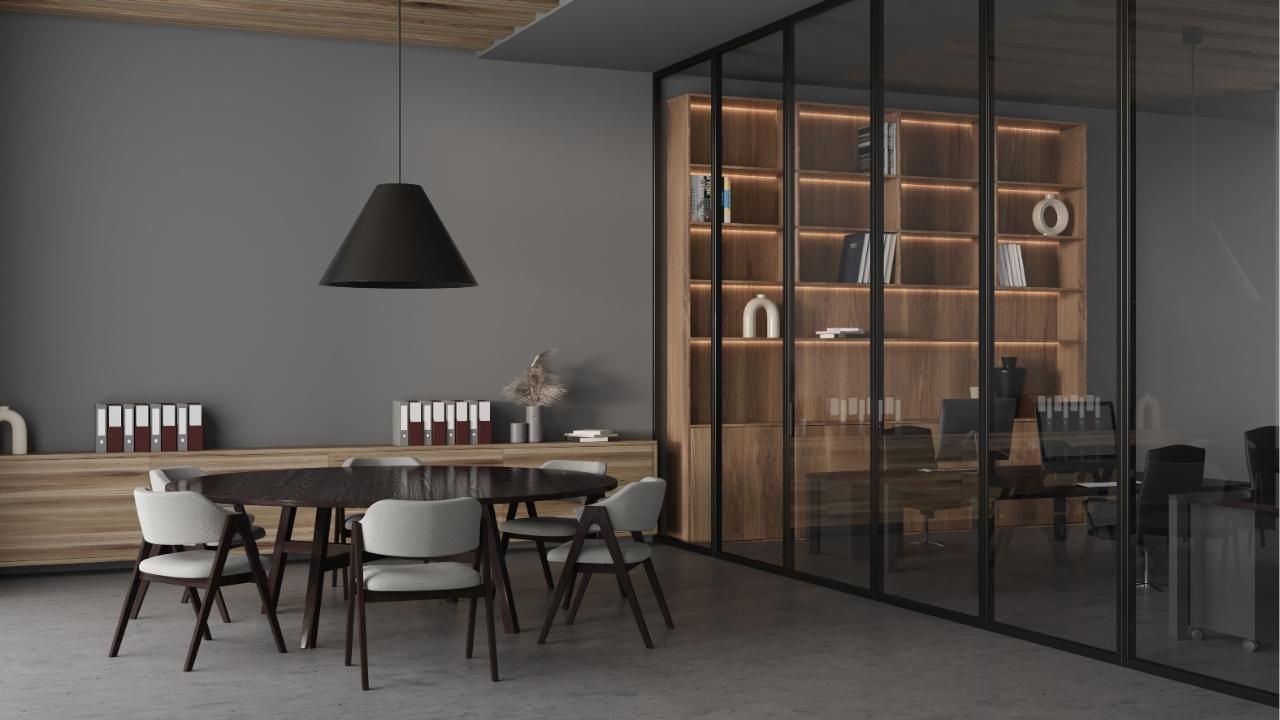
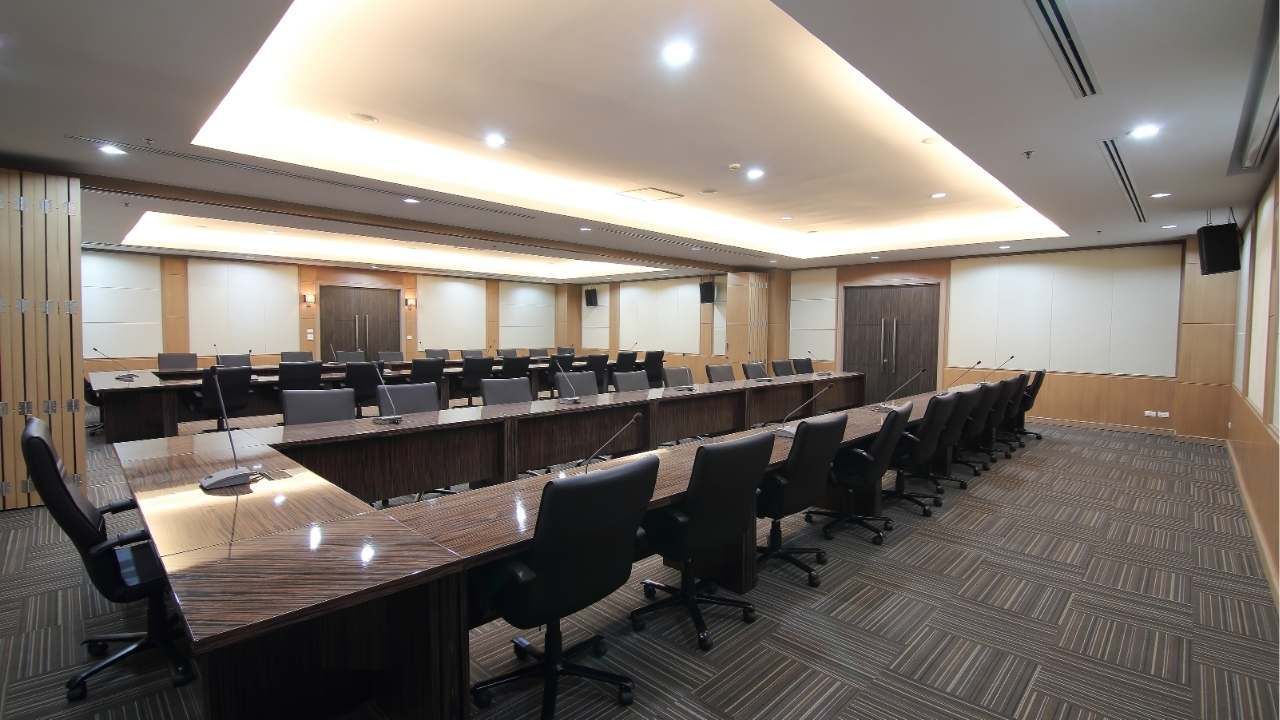
A formal boardroom may call for a large rectangular table and executive chairs. A creative team may benefit from modular tables that can be rearranged for brainstorming, training, or group projects. Smaller meeting rooms often work better with round or compact boat-shaped tables that allow people to communicate without wasting floor space.
Choose the Right Conference Table
The conference table is the visual and functional center of the room. It needs to accommodate everyone comfortably while leaving enough clearance for chairs, movement, and equipment.
As a general rule, allow approximately three feet of open space around the table. More room may be needed behind chairs if people frequently enter and leave during meetings.
Consider the Table Shape
Different shapes support different meeting styles:
- Rectangular tables create a formal, traditional boardroom appearance.
- Boat-shaped tables offer more surface space in the center and improve sightlines.
- Round tables encourage equal participation and work well in smaller rooms.
- Racetrack tables soften the look of a large room while maintaining ample seating.
- Modular tables can be reconfigured for training, presentations, and collaborative sessions.
The table should also be proportional to the room. An oversized table can make a space difficult to navigate, while a table that is too small may look lost and fail to meet seating needs.
Plan for Technology
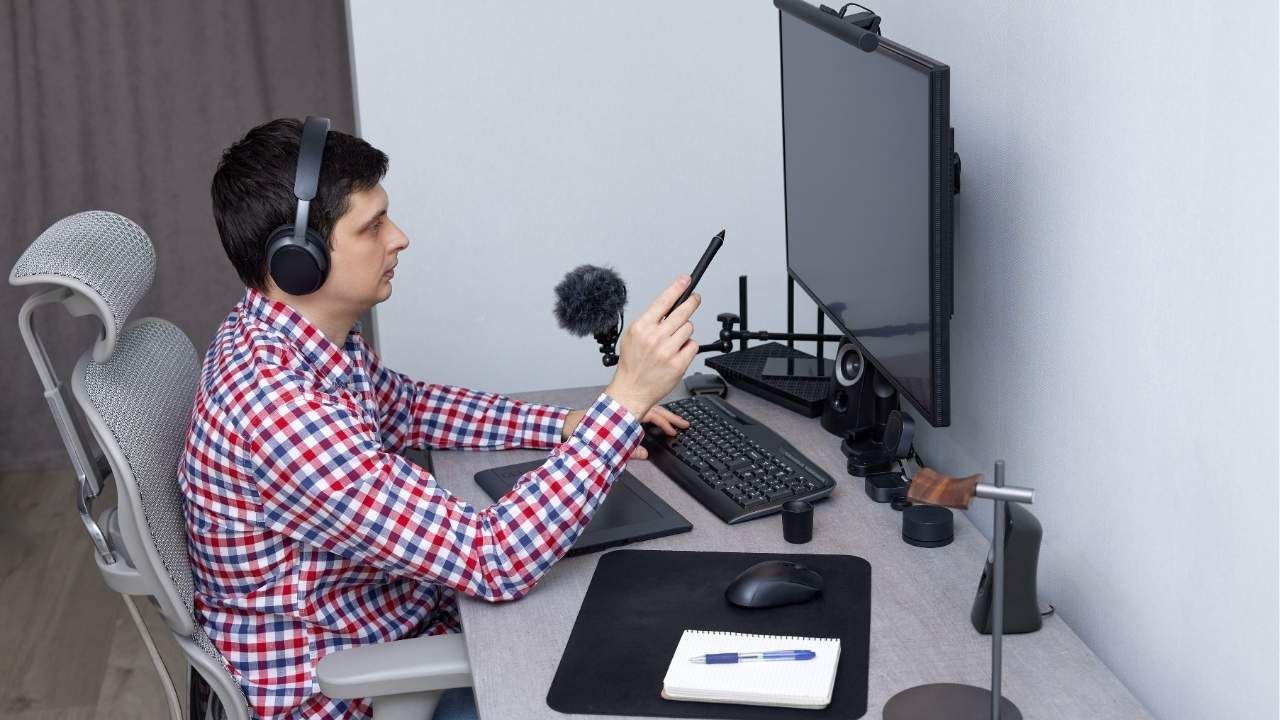
Modern meetings often depend on screens, cameras, charging ports, and video conferencing tools. A conference table with built-in power access and cable management can prevent cords from cluttering the surface or creating tripping hazards.
Consider whether the table needs:
- Power outlets
- USB charging ports
- Data connections
- Cable access panels
- Wire management channels
- Space for microphones or presentation controls
Planning for technology from the beginning creates a cleaner room and reduces the need for extension cords or costly modifications later.
Select Comfortable, Supportive Seating
Conference chairs influence how people feel during meetings. A stylish chair may look impressive, but it will quickly become a problem if it causes discomfort after 30 minutes.
Look for chairs with supportive backs, quality cushioning, and enough adjustability for different users. Employees and guests should be able to sit comfortably without feeling restricted.
Important features may include:
- Adjustable seat height
- Lumbar support
- Padded or breathable upholstery
- Armrests that fit beneath the table
- Smooth-rolling casters
- A stable swivel base
- Durable commercial-grade materials
Also consider how often the chairs will be used. A room used several times each day needs stronger, more ergonomic seating than a room reserved for occasional client meetings.
Material selection matters as well. Leather and faux leather can create an executive appearance, while mesh chairs improve airflow during longer sessions. Upholstered chairs offer comfort and more color choices but may require additional cleaning and maintenance.
Complete the Room With Practical Storage and Accessories
The table and chairs may receive the most attention, but supporting furniture helps the conference room stay organized and professional.
Credenzas and storage cabinets can hold presentation materials, extra cables, office supplies, refreshments, and audiovisual equipment. Mobile pedestals or small cabinets may be useful when the room serves several purposes.
A well-planned conference room may also include:
- A presentation board or writable wall
- A monitor stand or media console
- A lectern for training sessions
- Side tables for refreshments
- Coat storage
- Acoustic panels
- Privacy screens or window coverings
Lighting should be bright enough for reading and note-taking without creating glare on screens. Adjustable lighting can help the room transition between presentations, video calls, and face-to-face discussions.
Acoustics are equally important. Hard surfaces can cause sound to echo, making conversations and online meetings difficult to follow. Rugs, fabric chairs, acoustic panels, and window treatments can reduce noise and improve speech clarity.
Balance Style, Durability, and Budget
Conference room furniture should complement the rest of the workplace. Colors, finishes, and materials do not need to match every desk exactly, but they should feel consistent with the company’s brand and professional image.
A law firm may prefer darker wood finishes and traditional seating. A technology company may choose clean lines, lighter surfaces, and flexible furniture. A growing small business may focus on durable, versatile pieces that can adapt as the team expands.
Avoid choosing the cheapest option based only on the initial price. Furniture that wears out quickly, becomes unstable, or causes discomfort may cost more to replace than a better-quality product.
When comparing options, evaluate:
- Warranty coverage
- Commercial construction quality
- Weight capacity
- Stain and scratch resistance
- Replacement parts
- Delivery and installation services
- Expected daily use
A furniture specialist can also help measure the room, recommend suitable layouts, and identify potential clearance or power-access problems before an order is placed.
Short Case Study: Turning an Unused Room Into a Client-Ready Space
A growing professional services company had a narrow conference room with an oversized table, mismatched chairs, and exposed cables running across the floor. Client meetings felt cramped, and employees avoided using the space for team discussions. After reviewing the room’s dimensions and meeting habits, the business replaced the table with a smaller boat-shaped model featuring built-in power access. Ergonomic chairs improved comfort, while a low storage credenza kept equipment out of sight. The new layout increased seating flexibility, eliminated cable clutter, and gave the company a more polished environment for presentations. The room soon became one of the most frequently used spaces in the office.
Create a Conference Room That Supports Better Business
The best conference room furniture brings comfort, communication, technology, and professional design together. Start with accurate measurements, identify how the room will be used, and choose commercial-quality pieces that can handle daily demands.
Contact a local office furniture specialist today to plan a conference room that makes meetings more comfortable, productive, and impressive.