From Modular Desks to Mobile Pods: The Future of Flexible Office Furniture
Work doesn’t look the way it used to. One day you’re at home, the next you’re in a shared workspace, and sometimes you’re back at a traditional office, just not at the same desk every time. For businesses and remote workers in Lafayette Indiana, flexibility isn’t a perk anymore. It’s the baseline.
In this article, you’ll discover how office design is shifting toward adaptability, why modular desks and mobile pods are gaining traction, and what to look for when upgrading your workspace. If you’ve been browsing office furniture stores or planning to shop office furniture that actually keeps up with your workflow, this guide is for you. We’ll also explore how forward-thinking office furniture providers are helping local businesses rethink the way they design and use their space.
The Rise of Modular Desks: Built for Change
Modular desks are no longer a niche product. They’re becoming the backbone of modern offices.
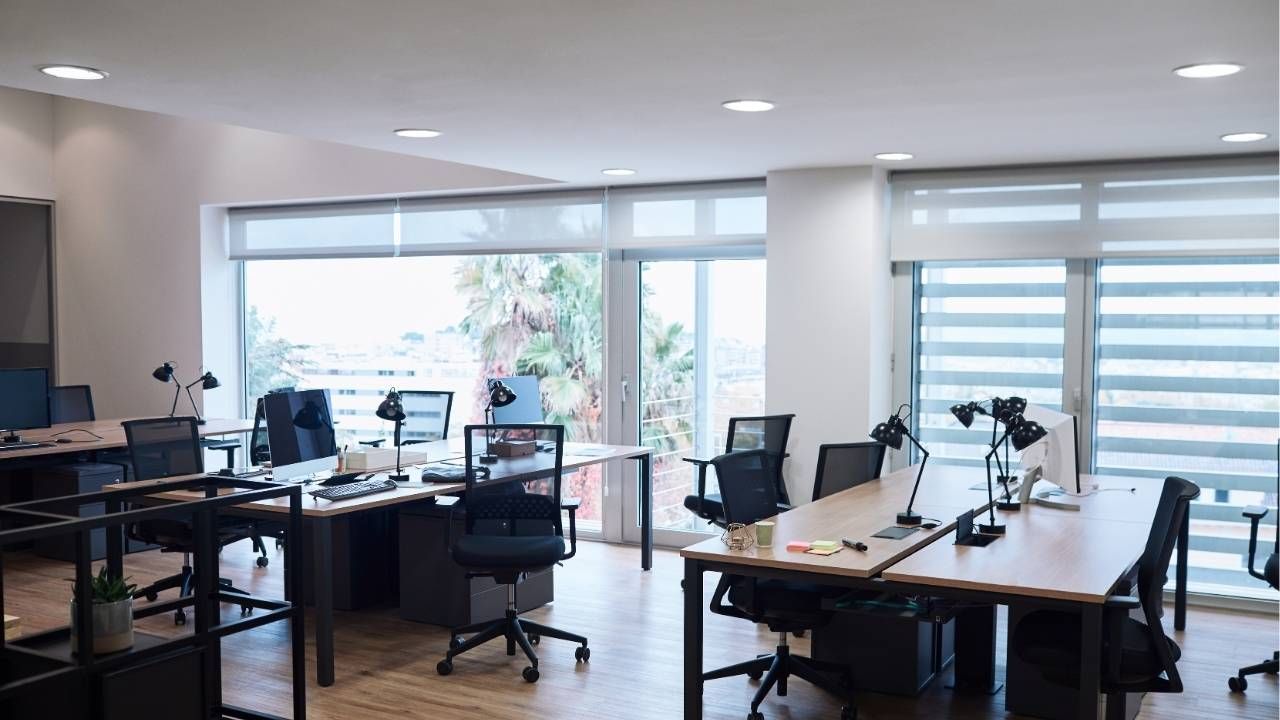
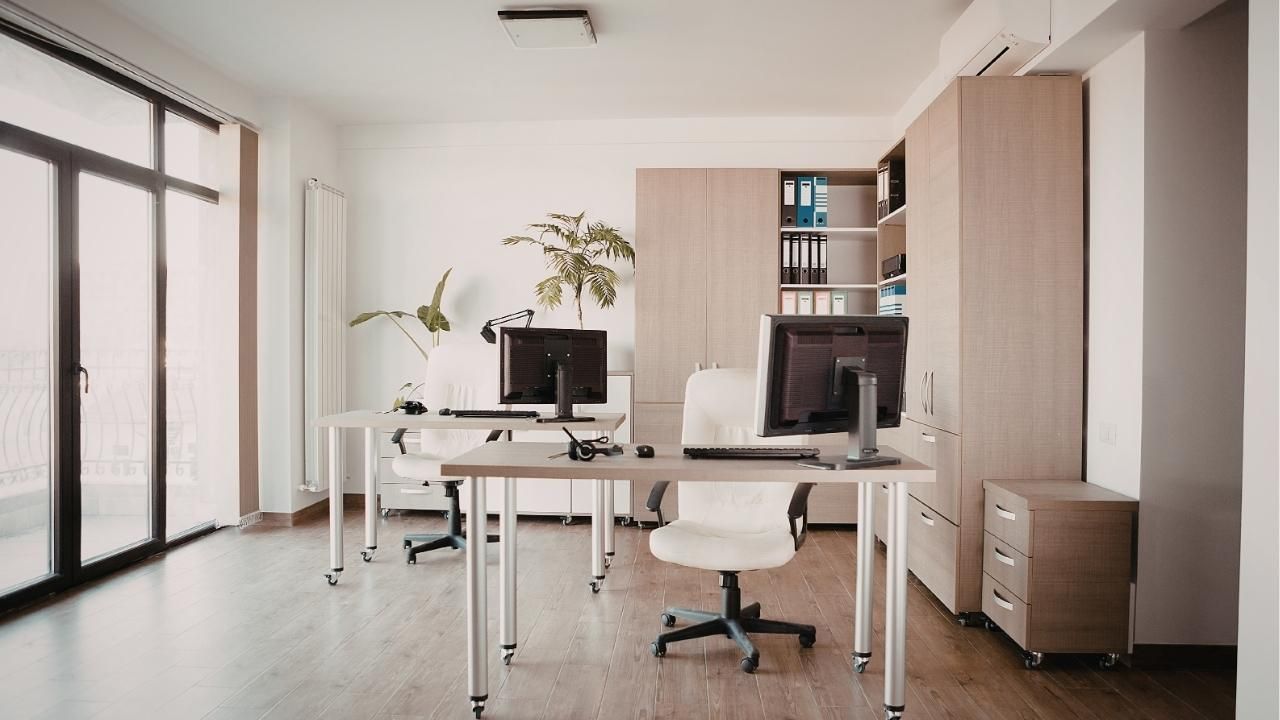
Unlike traditional desks that lock you into one layout, modular systems allow you to:
- Rearrange workstations in minutes
- Expand or reduce desk clusters as teams grow or shrink
- Add storage, privacy panels, or cable management without replacing the entire setup
- Create collaborative zones or focused individual areas on demand
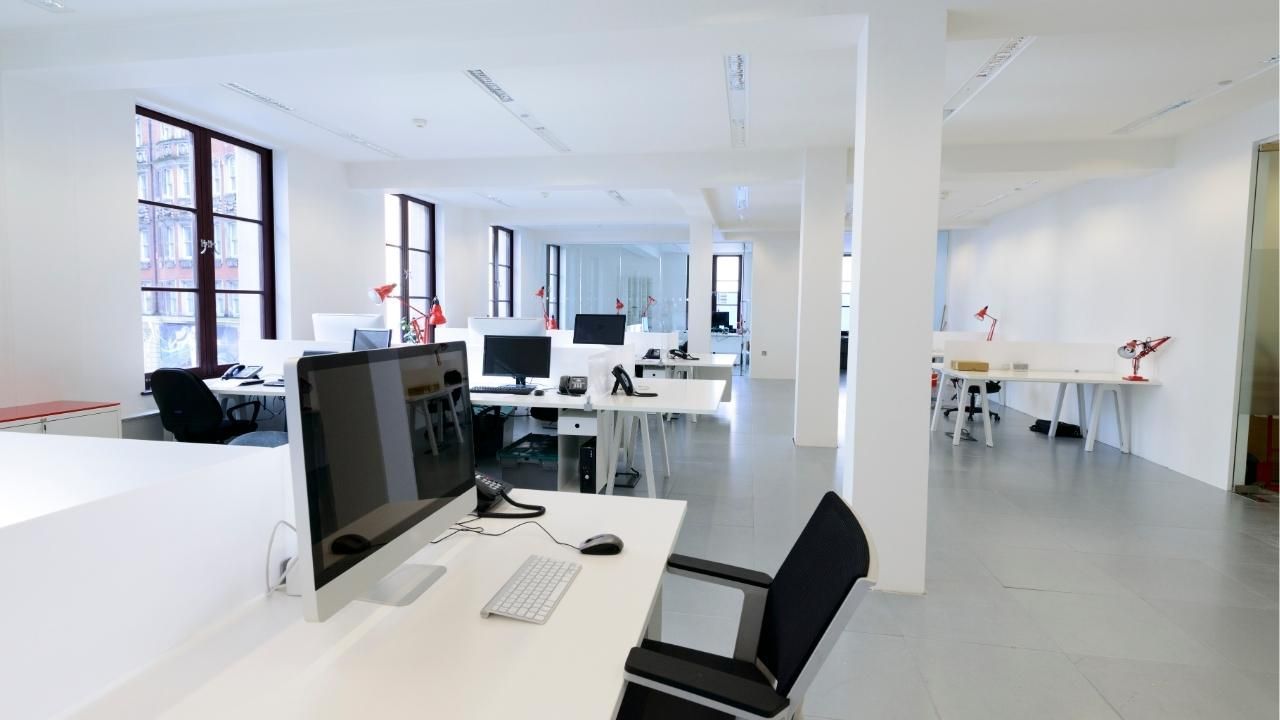
For Lafayette businesses navigating hybrid schedules, this flexibility matters. A marketing team might need a tight collaboration cluster today and quiet solo stations tomorrow. With modular furniture, you’re not calling a contractor every time your needs shift.
There’s also a financial upside. Instead of buying entirely new pieces when your team scales, you simply reconfigure what you already have. That’s smart budgeting, especially for small and mid-sized companies trying to stay lean.
Mobile Pods: Privacy Without Permanent Walls
Open offices promised collaboration. What they often delivered was distraction.
Enter mobile pods: self-contained, movable units designed for focused work, calls, or small meetings. They’re essentially rooms without construction.
Mobile pods offer:
- Acoustic insulation for private calls
- Ventilation and lighting built in
- Plug-and-play power access
- The ability to relocate without demolition
For companies in Lafayette Indiana operating in leased spaces, this is a game changer. Instead of investing in permanent walls, you can create quiet zones that move with you if you relocate.
Remote workers benefit too. A compact pod in a home office can create clear boundaries between work and personal life, no renovation required.
Designing for Hybrid Work
Hybrid work isn’t a trend. It’s a structural shift.
That means furniture has to serve multiple purposes. Today’s office might function as:
- A collaboration hub
- A training space
- A touchdown area for remote employees
- A client meeting zone
The future of office furniture revolves around versatility. Think height-adjustable desks, stackable chairs, rolling storage, and convertible tables. The goal is simple: one space, multiple uses.
When evaluating new pieces, ask yourself:
- Can this be moved easily?
- Can it be combined with other pieces?
- Does it support both focused and collaborative work?
- Will it still make sense in five years?
If the answer is no, it’s probably not future-ready.
A Local Example: Smart Flexibility in Action
Consider a small tech startup in Lafayette Indiana that recently transitioned to a hybrid model. Before the shift, they had fixed desks for every employee. When half the team began working remotely three days a week, half the office sat empty.
Instead of downsizing immediately, they redesigned.
They replaced traditional desks with modular workstations that could be grouped for project sprints. They added two mobile pods for private client calls. They introduced shared touchdown desks for remote staff visiting the office.
The result? They reduced unused space, improved collaboration on in-office days, and delayed a costly move. Most importantly, the office now supports how they actually work, not how they used to.
What This Means for Lafayette Businesses
Flexible furniture isn’t just about style. It’s about strategy.
As Lafayette continues to grow, fueled by education, manufacturing, healthcare, and tech, local businesses need workspaces that adapt as fast as the market does.
Whether you’re redesigning a corporate office, upgrading a medical practice, or refining your home workspace, the key is choosing furniture that evolves with you. Modular desks and mobile pods aren’t gimmicks. They’re practical tools for a shifting workforce.
The future of office design is flexible, movable, and purpose-driven.
If you’re ready to rethink your space, start by evaluating how your team actually works today and shop now for furniture that supports where you’re headed next.