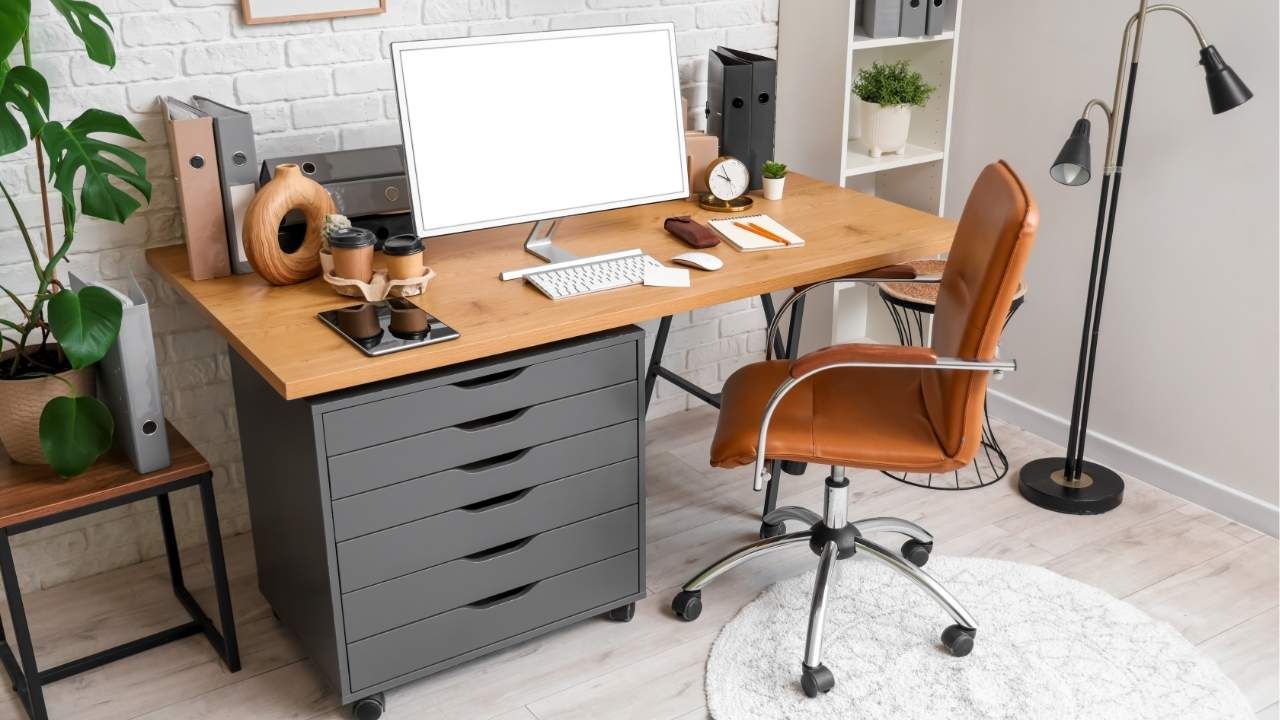
How Freelancers Can Turn Any Corner Into a High-Performing Workspace
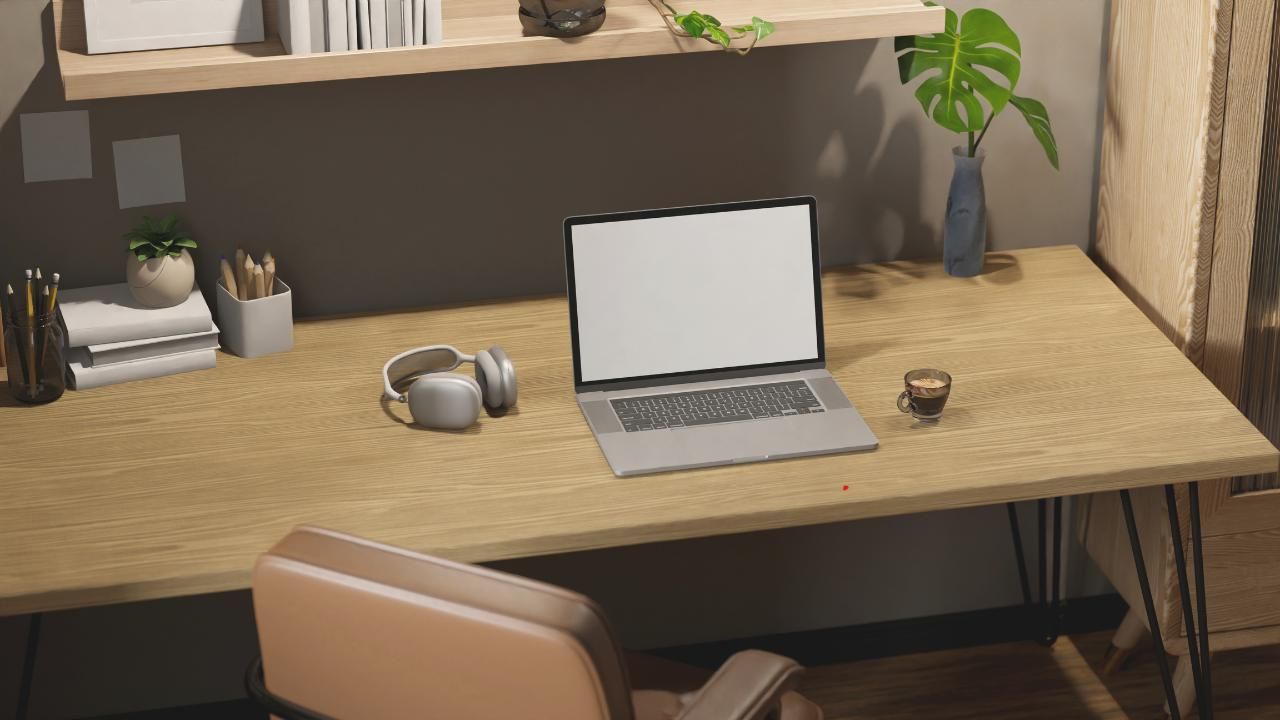
No freelancer starts with a dream office. Most start with whatever corner, countertop, or spare nook they can claim. The good news? With the right layout and a few smart moves, that tiny patch of real estate can perform like a full-scale studio. And yes—this holds true whether you’re on a budget or simply optimizing your flow.
You’ll learn how to rethink small spaces, choose smart essentials, and build a setup that actually supports your work rather than drains your energy. These aren’t fluffy ideas; they’re practical adjustments that help any corner pull more weight.
If you’ve already looked into office furniture solutions, you’ve probably seen how even modular pieces can transform a cramped setup. Office supply stores like Indoff Office Interiors build systems that fit tight spaces, but even without buying new pieces, you can make a surprising difference. This is where understanding workplace interiors really pays off. Once you know how professional designers think, you can copy their strategies on any scale.
1. Start With the Space You Actually Have, Not the Space You Wish You Had
Most freelancers fall into the trap of imagining the perfect office and then feeling stuck because reality doesn’t match. Instead, take stock of your exact workspace—measure it, note the lighting, see where power outlets are, and pay attention to foot traffic.
Here’s what to prioritize:
- A defined boundary – Even if it’s small, it mentally signals “work happens here.”
- Good lighting – Natural light wins, but a warm LED lamp is a close second.
- Reachability – Limit what you keep on your desk so your body isn’t constantly twisting.
Once you understand the space, you can shape it instead of fighting it.
2. Use Vertical Space Like It’s Your Best Asset
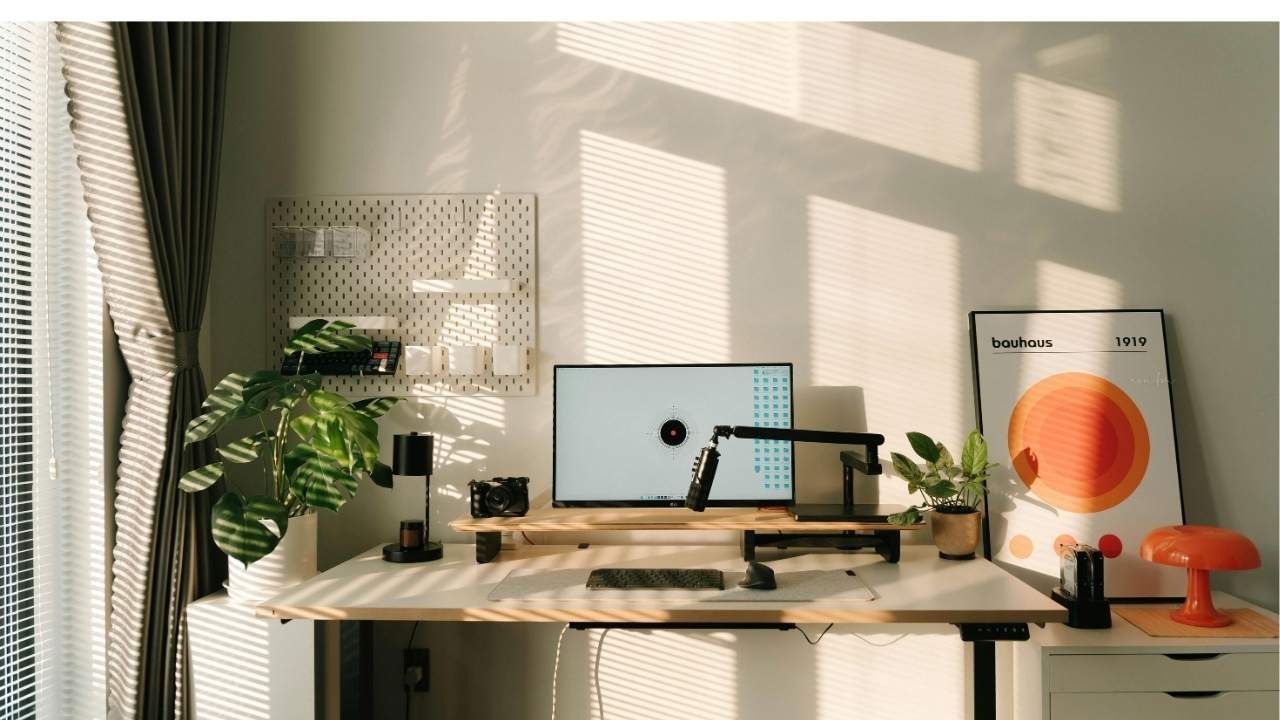
When floor space is limited, the wall becomes prime real estate. Floating shelves, pegboards, slim-profile wall grids, and even magnetic strips can hold tools, notes, and gear without crowding your desk.
Try these simple upgrades:
- Mount a shelf above your monitor to store notebooks or decor.
- Add hooks for headphones or camera gear.
- Use a slim wall organizer for mail and scheduling.
A cleaner desk equals a clearer head, and maximizing vertical space often delivers the fastest payoff.
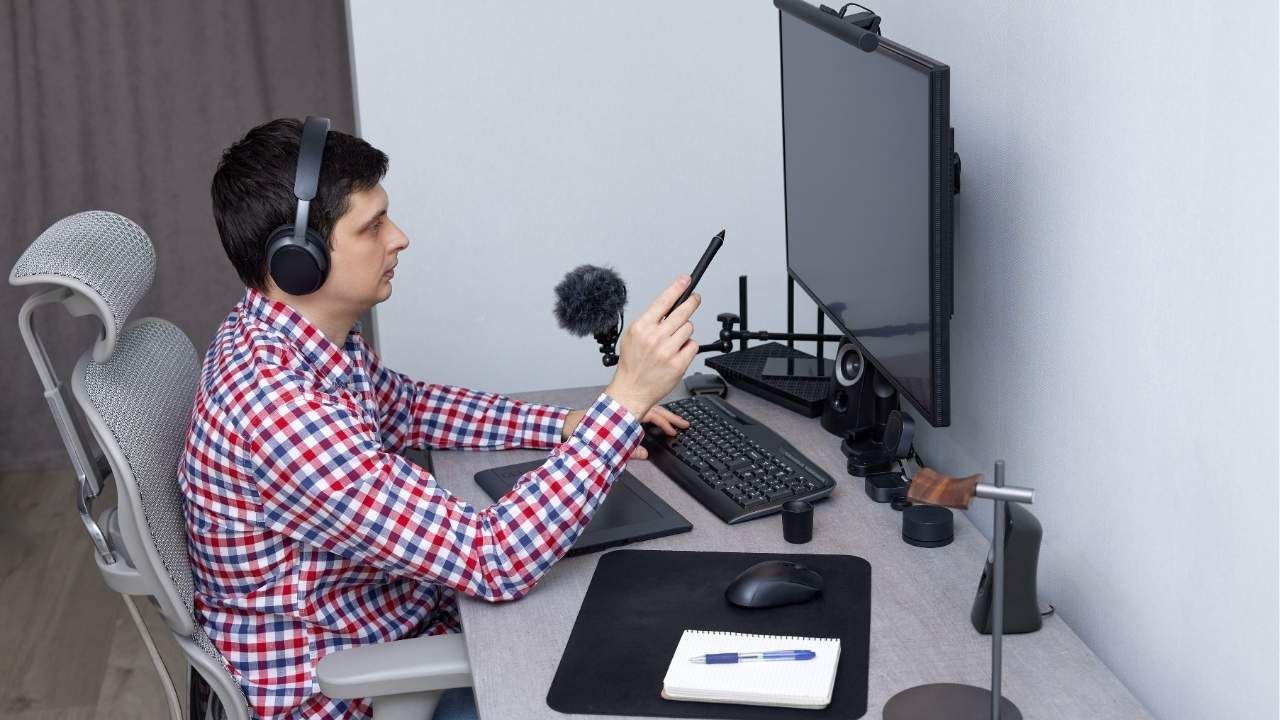
3. Choose the Right Desk and Chair—They Matter More Than You Think
You don’t need a thousand-dollar setup. You just need pieces that fit your workflow without overwhelming your corner. A narrow writing desk or a wall-mounted fold-down desk works wonders when square footage is tight.
Look for:
- A chair with lumbar support
- A surface wide enough for your laptop and notes
- A desk that won’t dominate the space
- A cable tray to keep everything tidy
Think of these as long-term investments in your energy, posture, and productivity.
4. Build a System, Not Just a Setup
Your workspace shouldn’t just look organized—it should function in a way that reduces friction. That means building routines into your environment.
Consider these habits:
- A weekly reset: Clear papers, wipe surfaces, empty your trash.
- A workstation ritual: Open the blinds, turn on a lamp, play a specific playlist.
- A shutdown process: Close tabs, jot tomorrow’s priorities, clear the desk.
Systems keep small spaces working smoothly without constant effort.
Case Study: A Freelancer Who Turned a 36-Inch Corner Into a Powerhouse
Maria, a freelance illustrator, worked for years at her kitchen table. After burnout hit hard, she carved out a 36-inch corner in her living room. She added a narrow desk, a pegboard for tools, a clamp light, and a rolling cart that tucked neatly under the workspace. Within a week, her output jumped. Having a dedicated, optimized corner meant she could sit down and start creating immediately—no setup, no frustration, no excuses.
Make Your Space Work as Hard as You Do
A small workspace doesn’t limit your potential—an unintentional one does. Study your space, make smart upgrades, and build habits that support your flow. You’ll be shocked at how much performance you can squeeze out of even the tiniest corner.
Ready to build your own powerhouse? Shop now to find the tools that fit your flow.